Hey there! I’m a supplier of cryogenic ball valves, and in this blog, I wanna talk about how valve design impacts the flow resistance of a cryogenic ball valve. As someone who’s in this supply business, I’ve seen firsthand how crucial the right valve design is for efficient operations, especially in cryogenic applications. Cryogenic Ball Valve
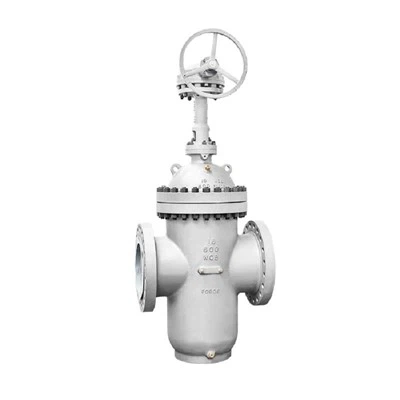
First off, let’s understand what cryogenic ball valves are. These valves are used in environments where extremely low temperatures are involved, like in the liquefied natural gas (LNG) industry, cold storage, and some scientific research facilities. The cryogenic conditions pose unique challenges, and the valve design has to be up to the task.
One of the most significant aspects of valve design that affects flow resistance is the ball shape. You see, in a cryogenic ball valve, the ball is the key component that controls the flow of fluid. A well – designed ball can ensure smooth flow and reduce resistance. A standard full – port ball has a bore size that’s the same as the pipe diameter. This means there’s minimal disruption to the flow path, and the fluid can pass through with relatively low resistance. It’s like having a straight highway for the fluid to travel on.
On the other hand, a reduced – port ball valve has a smaller bore size than the pipe. This can increase the flow velocity, but it also hikes up the flow resistance. When the fluid has to squeeze through a smaller opening, it has to work harder, creating more drag and pressure drop. In cryogenic applications, a high resistance can lead to energy losses, and that’s not good news for the overall efficiency of the system.
The seat design of the cryogenic ball valve also plays a huge role. The seat is what seals against the ball, and a proper seal is essential. But at the same time, the seat has to allow for smooth movement of the ball to open and close the valve. A seat with too much friction can increase the force required to operate the valve, and it can also add to the flow resistance. Some advanced seat designs use special materials that can withstand cryogenic temperatures and have low friction coefficients. This helps in reducing the flow resistance and also in extending the valve’s lifespan.
The valve body design is another factor. A streamlined valve body can minimize turbulence in the fluid flow. Turbulence is like traffic jams for the fluid; it slows down the flow and increases resistance. Some valve bodies are designed with rounded edges and smooth internal surfaces to reduce turbulence. In cryogenic applications, where the fluid is often in a dense state, minimizing turbulence becomes even more important.
Let’s also talk about the stem design. The stem is what connects the ball to the actuator, and it has to move smoothly. A poorly designed stem can cause the ball to move out of alignment slightly, which can disrupt the flow and increase resistance. A well – aligned and stable stem ensures that the ball moves precisely, maintaining a consistent flow path and reducing resistance.
In addition, the number of internal components in the valve design can affect flow resistance. Valves with too many complex internal parts can create more obstacles for the fluid, leading to increased resistance. Simpler valve designs that get the job done with fewer parts often have lower flow resistance.
Now, why does all this matter in cryogenic applications? Well, in cryogenic systems, energy efficiency is a top priority. High flow resistance means that you need more energy to pump the fluid through the system. This not only increases operational costs but can also put more stress on the equipment. Over time, high – resistance valves can lead to premature wear and tear, which means more frequent maintenance and replacement.
For example, in an LNG storage and transfer system, the cryogenic ball valves are used to control the flow of liquefied gas. If the valves have high flow resistance, it takes more energy to move the LNG from the storage tanks to the transport vessels. This can translate into significant financial losses over the long run.
As a cryogenic ball valve supplier, I know that choosing the right valve design can have a huge impact on the performance of a cryogenic system. I’ve worked with many customers who were struggling with high – resistance valves, and by upgrading to our well – designed valves, they’ve seen a great improvement in their system’s efficiency.
If you’re in the market for cryogenic ball valves, it’s crucial to consider the valve design and its impact on flow resistance. You don’t want to end up with a valve that’s going to cause more problems than it solves. Our team of experts can help you choose the right valve design based on your specific application requirements. Whether you need a full – port or reduced – port ball valve, we can provide you with the best options.
We’ve spent years perfecting our valve designs to ensure low flow resistance and high – performance in cryogenic conditions. Our valves are made from high – quality materials that can withstand the extreme cold and still operate smoothly. We also offer customization options, so if you have unique requirements, we can work with you to design a valve that fits your needs.
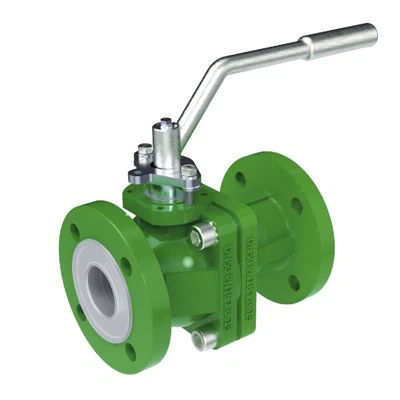
So, if you’re looking to improve the efficiency of your cryogenic system, don’t hesitate to reach out. We’re here to help you make the right choice and ensure that your system runs smoothly. Contact us today to start a conversation about your cryogenic ball valve needs.
Solenoid Valves References:
- ASME B16.34 – Valves – Flanged, Threaded, and Welding End
- API 6D – Pipeline Valves
- ISO 14313 – Petroleum, petrochemical and natural gas industries — Steel gate, globe and check valves
Wuxi PYNOS Flow-tech Co., Ltd.
As one of the leading cryogenic ball valve manufacturers and suppliers in China, we offer a wide range of products with superior quality. We warmly welcome you to buy high quality cryogenic ball valve made in China here from our factory. We also accept customized orders.
Address: Sales Center: 7th Floor, No.19 Qingyuan RD, Wuxi City, Jiangsu Prov., China
E-mail: Info@pynosvalve.com
WebSite: https://www.pynosvalves.com/
