Hey folks, let’s cut to the chase—if you’re a contractor, landscaper, or even a small-scale farmer, you’ve probably stared at that lumpy, sloped job site and thought, “Can my trencher even handle this uneven ground?” As a trencher supplier who’s fielded this exact question a hundred times (no exaggeration—last week alone, three guys called panicking after their old trencher died on a hillside), I get it. Uneven ground isn’t just a “little rough patch” —it’s the kind of job that makes or breaks your day, and your equipment’s ability to keep up. Trencher
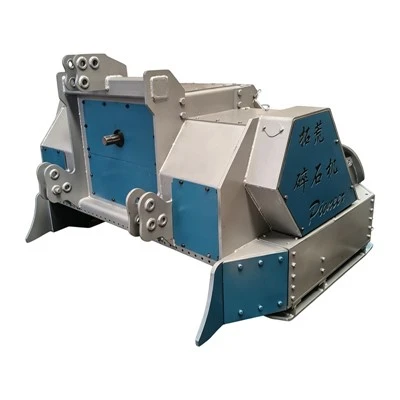
First, let’s get real: A lot of people think trenchers are only for flat, straight-as-a-pin ground. But here’s the tea—modern trenchers? They’re built for way more than that. But that doesn’t mean you can just fire up any old unit and hammer through a 45-degree slope like it’s a sidewalk. There’s a method to the madness, and skipping it will get you stuck, bent a component, or worse—hurt. Let’s break this down.
What actually makes ground “uneven” anyway? It’s not just a few bumps. We’re talking about slopes, rocky terrain, soft soil that shifts, even ground with hidden roots or stumps that throw your machine’s balance off. Back in the day, chain trenchers with fixed frames were useless here—they’d tip on slopes, or the chain would jump out of its track on uneven patches. But today’s models have two key upgrades that changed the game: tracked undercarriages and adjustable boom/head systems. Oh, and don’t sleep on compact ride-on or stand-up models—those are total workhorses for uneven spots, way more maneuverable than big, heavy ride-alongs.
Wait, let’s talk about tracks vs. wheels first, because that’s the big one for uneven ground. If your trencher is wheeled, forget it for anything steeper than a gentle 10-degree slope. Wheels slip, especially in loose dirt or wet ground—you’ll spin out mid-trench, burn through fuel, and maybe even tip over. Tracked models? They distribute weight way better, have way more traction, and can handle slopes up to 30 degrees (depending on the model, of course). I’ve seen a guy use one of our compact tracked trenchers on a 25-degree hillside last month to run utility lines for a new fence—saved him a full day of hand-digging. That’s the win right there.
But here’s the catch: Even with a tracked trencher, you can’t just charge in. Balance is non-negotiable. If you’re on a slope, always keep the trencher’s length parallel to the slope, not perpendicular. Perpendicular? That’s a recipe for tipping—even the most stable tracked unit will lose its center of gravity if you run it cross-slope. I once had a customer try that on a 15-degree spot and ended up with his trencher tilted so far, his boom hit the ground before the trench was deep enough. Lost a $200 boom tooth, and a half-day of work. Don’t be that guy.
Another thing: Trencher head adjustability. Modern trenchers let you tilt the digging head independently of the main frame. On uneven ground, that’s clutch. If you’ve got a spot with a 6-inch rise halfway through your trench, you can tweak the head angle to keep the digging depth consistent, instead of fighting the machine to stay level. Older fixed-head models can’t do that—they’ll either dig too shallow in the high spot or too deep in the low one, which messes up your project (and might damage the trencher’s engine if it’s working too hard).
Now, let’s talk about the gotchas that most people miss. Uneven ground often hides stuff—rocky areas, compacted soil, even underground utilities. If you’re on a spot with big rocks, you’ll want a trencher with a carbide-tipped chain, not a standard one. Those rocks will chew through a regular chain fast, especially when you’re adjusting on the fly on uneven ground. We sell a lot of extra carbide chains for jobs like this—pro tip, always carry a spare when you’re heading out to uneven sites. Also, never dig without calling 811 (or whatever your local utility line locator is) — that uneven ground might have a gas line or power line buried right where you’re about to dig. I can’t stress that enough, no matter how much of a hurry you’re in.
Wait, what about small jobs vs. big jobs? If you’re doing a backyard sprinkler line—super uneven, with flower beds, small slopes, old roots—our compact stand-up trencher is perfect. It’s light enough to maneuver around obstacles, tracked so it doesn’t sink into soft soil, and the adjustable boom lets you dig a consistent 12-inch trench without fighting the ground. For big utility jobs on steep, rocky terrain, our mid-sized ride-on tracked trenchers are the way to go—they have more horsepower, so they can push through harder material without bogging down.
But here’s the thing: Even the best trencher won’t work on ground that’s way too uneven, like a 40-degree slope with loose, sandy soil. No tracked machine can handle that—traction’s gone, and you’ll tip. In those cases, you might need a different tool, or even bring in a team with hand tools for the tricky parts. But that’s not a failure of the trencher—knowing your machine’s limits is just as important as knowing it can work on uneven ground.
Let’s get real about what customers actually ask me when they’re on uneven sites. Last month, a landscaper called saying his wheeled trencher kept slipping on a slope. I told him to upgrade to a tracked compact model, and he ended up using it to do three different jobs that week—fence lines, sprinkler trenches, and even a small drainage ditch on a lumpy backyard. He texted me a pic of the finished job, no mess, no delays. Another customer tried to use an old fixed-head trencher on a rocky, uneven driveway and ended up with a bent boom. I told him our adjustable head model would have fixed that, and he swapped it out the next day.
So, can a trencher be used on uneven ground? Short answer: Yes, but only if you’ve got the right type (tracked, not wheeled), you use proper technique (parallel to slopes, adjust the digging head), and you respect its limits. A lot of “it broke” stories aren’t about the trencher being bad—it’s about using the wrong tool for the job, or skipping basic steps like checking utility lines.
If you’re staring at a lumpy, slope-filled job site and wondering what trencher will work for you, let’s chat. We’ve got units for every scale—small compacts for backyard jobs, mid-sized tracked ride-ons for big utility work, and even attachments that make them more versatile for uneven terrain. No pressure, just straight talk about what’ll actually get your job done without the headaches.
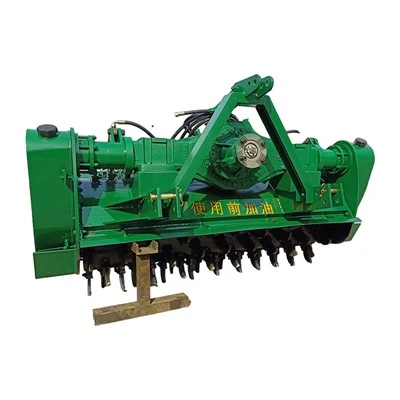
Don’t waste another day fighting equipment that’s not built for your site. Hit us up, and we can walk through your project, show you exactly what works, and make sure you’ve got the gear to tackle that uneven ground like a pro.
Lime Soil Mixer Blade References
- Equipment World. (2022). “Trencher Selection for Sloped and Uneven Terrain.”
- American Society of Agricultural and Biological Engineers. (2021). “Operational Guidelines for Trenchers in Variable Ground Conditions.”
- Compact Equipment Magazine. (2023). “Tracked vs. Wheeled Trenchers: Performance in Uneven Applications.”
Zhihao Highway Engineering Machinery Co., Ltd.
As one of the most professional trencher manufacturers and suppliers in China, we have world-leading production equipment and strong manufacturing capabilities. Please rest assured to wholesale customized trencher made in China here from our factory. For price consultation, contact us.
Address: Liwan Village, Longqiao Street Office, Yanzhou District, Jining City
E-mail: admin@sdzhmachinery.com
WebSite: https://www.zhroadmach.com/
