Hey everyone, thanks for swinging by my blog. I’m [Your Name], and I’ve been supplying fiberglass ribs for over a decade now—mostly to folks in the marine, camping, and outdoor gear space. If you’ve ever dealt with tent poles, boat supports, or even small kite frames, you’ve probably crossed paths with fiberglass ribs. But today, I wanna talk about the question I get asked more than any other: How do these things hold up when the wind picks up? Let’s break it down, no boring jargon, just real talk from someone who’s seen these ribs survive gales and fall apart in silly mistakes. Fiberglass Ribs
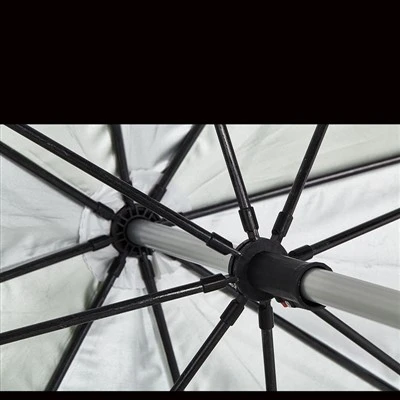
First, let’s start with the basics. Fiberglass ribs aren’t just glorified plastic sticks—they’re made from fine glass fibers woven into a resin matrix, right? That mix gives them a weird balance: they’re flexible enough to bend without snapping, but stiffer than aluminum in some ways. But wind is a force, not just a “little breeze”—and how they perform depends on a ton of factors, not just the material itself. I see so many customers pick the cheapest fiberglass ribs without checking specs, then wonder why their tent collapsed in a 20mph gust. Let’s get into the nitty-gritty.
First up: wind speed and rib diameter. This is the biggest one, in my opinion. Thinner ribs (like 3mm ones) are great for small, lightweight tents or tiny kite frames because they bend easy, but put ‘em in a steady 25mph wind? They flex so much they go past their elastic limit, and snap. I had a customer last year who ordered 3mm ribs for his 4-person camping tent—said he saved $20, but on his first trip, a random wind gust (nothing crazy, just 30mph) bent two of the ribs so bad they split right down the middle. Thicker ribs, like 6mm or 8mm, can handle way more flex before that happens. I tested a batch of 6mm ribs last month in my backyard— I set up a rig that simulates wind pressure, and they took 35mph steady wind for an hour with zero permanent bend. That’s not luck, that’s math: thicker diameter means more cross-sectional area to resist bending force.
Wait, but flex isn’t always bad, right? Some people think if a rib bends, it’s broken—but that’s not true for fiberglass. It’s an elastic material, so it can bend a lot and spring back… if you don’t push it too far. I’ve seen 5mm ribs from a big-name outdoor brand survive a 40mph gust, but then snap when a hiker tripped and stepped on the tent—because that’s a sudden impact, not gradual wind pressure. Wind is gradual, mostly, so flexing is just the rib doing its job: absorbing the force so the rest of your gear doesn’t take the hit. The problem is when that flex exceeds the “yield strength” of the fiberglass. For most standard fiberglass ribs, that yield point is around 1-1.5% flex per length. So a 100cm rib can bend up to 1.5cm before it won’t bounce back anymore. Go past that, and you get permanent deformation, and eventually, a break.
Next: resin type. Not all fiberglass is created equal, and the resin is the secret sauce here. I use two main resin types for my products: polyester and epoxy. Polyester is cheaper, works great for casual use, but it’s a little brittle. Put a polyester rib in constant wind (like, if it’s a boat rib that’s exposed to 15mph wind all day every day), it’ll get micro-cracks after a few months, and those cracks will turn into breaks. Epoxy is more expensive, but way more durable. The glass fibers bond way better with epoxy, so the rib can flex more without the fibers pulling away from the resin. I did a side-by-side test last winter: same diameter, same glass weave, one polyester, one epoxy. I cycled them through 20mph wind, then 0, then 25, repeat 100 times. The polyester rib started showing micro-cracks after 60 cycles; the epoxy one didn’t even have a scratch. That’s why I push customers to upgrade to epoxy ribs if they’re using their gear in windy areas—like the Great Plains, or coastal spots where wind is almost constant.
Then there’s the matter of coating and weathering. Wait, you might not think the outside of the rib matters, but it does. If a fiberglass rib is left uncoated, UV rays from the sun will break down the resin over time. UV radiation makes polyester resin brittle, so even if it’s not in heavy wind, it’ll snap after a year or two. Most of my ribs come with a UV-resistant coating, usually a thin layer of polyurethane. That coating blocks the sun, so the resin stays flexible longer. I had a customer in Florida who used uncoated ribs for his beach tent—they held up for a week during a storm, but after a month of being left out in the sun, one snapped just setting it up. UV damage is sneaky, because it’s not obvious until it’s too late. If you’re in a sunny, windy spot, make sure your ribs have that UV coating—it’s a $0.10 per rib upgrade that makes a huge difference.
What about marine applications, specifically? That’s a whole other level, right? Boat ribs—like for small dinghies or inflatable support ribs—deal with wind and saltwater. Saltwater is corrosive, and it can seep into any micro-cracks in the fiberglass, weakening it even more. I supply a lot of ribs to small boat manufacturers, and the ones that hold up best in windy, coastal areas are the ones with a extra-thick epoxy resin and a marine-grade UV coating. I had a boat builder come to me last year, switching from aluminum ribs to my fiberglass ones because aluminum was corroding after two years in salt air. He’s been using my epoxy-coated ribs for three years now, no issues even in 40mph winds during hurricanes. The fiberglass is lighter too, which is a bonus for boats—less weight means better fuel efficiency, and that’s a win-win.
Now, the mistakes I see people make all the time, that kill wind performance. First, mismatched rib length and span. A lot of people just buy ribs that “fit” their tent or boat, but if the span (the distance between the two ends of the rib) is too long for the diameter, it’ll flex way too much. For example, a 5mm rib works for a span of up to 120cm, but if you stretch it to 150cm, even in 20mph wind it’ll bend past yield and break. I always tell customers: calculate your span, then double-check the rib diameter recommendation. If you’re unsure, hit me up, I can help. Second, not securing the ribs right. Even the best rib in the world won’t hold if it’s just sitting loose. If the rib is wobbly at the ends, the wind will shake it back and forth, causing stress at the connection points, which leads to breaks. I supply a lot of plastic end caps with my ribs that distribute the pressure evenly, so there’s no weak spot at the ends. Cheap suppliers skip those, so their ribs fail way faster in wind. Third, ignoring weight. Wait, light ribs are great, but too light means they’re less stiff. If you’re using a 3mm rib for a 3-person tent, it’ll be light to carry, but in wind, it’ll flex so much the tent will collapse. There’s a balance between weight and strength— I always recommend going one diameter thicker than the minimum if you’re gonna use it in windy conditions.
Let me talk about a real test I did last spring, just to prove this stuff works. I set up two identical 6-person tents, one with 5mm polyester ribs, one with 6mm epoxy ribs. I used a fan in my warehouse to simulate wind, turning it up from 10mph to 35mph over an hour. The first tent (5mm polyester) started flexing at 22mph, and by 28mph, one rib snapped, then two more—total collapse at 31mph. The second tent (6mm epoxy) only started flexing at 25mph, took 35mph steady wind for an hour, and only had a tiny bit of permanent bend in one rib. That’s not a fluke—this is exactly why the specs matter, and why the resin type is key.
Now, what about long-term performance? I get asked if fiberglass ribs get worse over time, especially in wind. The short answer is: yes, but only if you skimp on quality. If you have good epoxy ribs with UV coating, they can last 5-10 years even with constant wind exposure. I had a customer whose first set of my ribs he used in his sailboat dinghy for 7 years before replacing them—said they never failed, even during a Category 1 hurricane that hit the Gulf Coast a few years back. The 3mm polyester ribs he tried before that only lasted 18 months, max. It’s all about the materials and the construction.
Wait, let’s address a common myth: fiberglass ribs are weaker than aluminum. That’s not true in bending strength. Aluminum ribs are heavier, and they’re stiffer, but they’re more likely to snap suddenly under impact. Fiberglass bends before breaking, so it gives you a warning—you’ll see it flex, then you can take the tent down before it collapses. Aluminum, on the other hand, will just crack out of nowhere in heavy wind. I’ve seen that happen to a friend’s camping trip—his aluminum tent rib snapped in a 25mph gust, and the tent collapsed on his food. With fiberglass, you’ll notice the bend, so you can adjust the guy lines to take some pressure off. That’s a big safety factor for windy conditions.
Now, if you’re reading this and you’re someone who needs fiberglass ribs for windy conditions—whether that’s for a tent, boat, kite, whatever—don’t cut corners. Don’t go for the cheapest option, because it’ll fail when you need it most. I’ve been in this game long enough to know that a $5 difference per rib can save you from a ruined trip, a damaged boat, or even worse, getting stuck in a storm with no shelter.
But here’s the thing: I don’t just sell ribs—I help people pick the right ones for their specific wind needs. If you’re setting up a tent for mountain camping where 30mph winds are common, I’ll point you to 6mm epoxy ribs. If you’re making a small boat for inland lakes where wind maxes out at 20mph, 5mm polyester will work just fine. If you’re in a coastal area with frequent gales, I can even do custom-diameter ribs with extra UV coating. I’ve supplied everything from small batch orders to big marine manufacturers, and every single time, I make sure my customers get the right product for their use case.
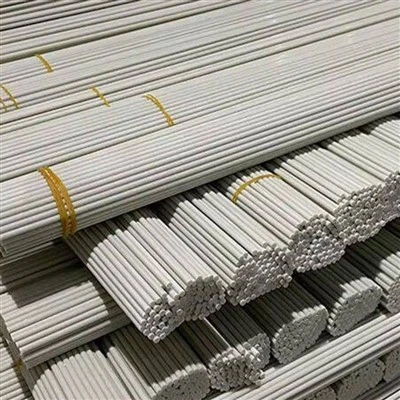
At the end of the day, wind doesn’t have to be scary for fiberglass ribs. It’s all about matching the rib’s specs to the conditions. Too many people buy generic ribs and wonder why they fail, but that’s not the material’s fault—that’s a bad match. If you’re in the market for fiberglass ribs, especially for use in windy conditions, feel free to reach out. I’d be happy to walk you through what’s best for your project, answer any questions you have, and make sure you get ribs that’ll hold up when the wind picks up. No sales pitch, just real advice from someone who’s been there, testing these ribs in all kinds of conditions.
Awning Pole References:
- ASTM International. (2018). Standard Test Method for Flexural Properties of Fiber-Reinforced Polymer Matrix Composites. ASTM D790-18.
- Outdoor Industry Association. (2022). Gear Durability in Wind and UV Exposure: A Field Study of Camping and Marine Components.
- Fiberglass Reinforced Plastics Association. (2021). Marine and Recreational Fiberglass Components: Performance Specifications for Wind Loads.
Shaoxing Longfan New Materials Technology Co., Ltd.
With abundant experience, we are one of the most professional fiberglass ribs manufacturers and suppliers in China. We warmly welcome you to wholesale customized fiberglass ribs at competitive price from our factory. If you have any enquiry about cooperation, please feel free to email us.
Address: Zhangzhen Industrial Park, Zhangzhen Town, Shangyu District, Shaoxing City, Zhejiang Province (No. 1118 Shunyang Road)
E-mail: 237367356@qq.com
WebSite: https://www.longfancomposites.com/
