Hey folks! I’m a supplier of slurry pump spare parts, and over the years, I’ve seen my fair share of issues with these parts. Slurry pumps are used in a ton of industries, like mining, construction, and wastewater treatment. They handle some pretty tough stuff, so it’s no surprise that their spare parts can run into problems from time to time. In this blog, I’m gonna share some tips on how to troubleshoot problems with slurry pump spare parts. Slurry Pump Spare Parts

1. Understanding the Basics of Slurry Pump Spare Parts
First off, let’s quickly go over the main spare parts of a slurry pump. You’ve got the impeller, which is like the heart of the pump. It spins and creates the centrifugal force that moves the slurry. Then there’s the casing, which holds everything together and directs the flow of the slurry. The liner is another important part; it protects the casing from wear and tear. Seals are crucial too, as they prevent the slurry from leaking out.
2. Identifying Common Problems
2.1 Low Flow or Pressure
One of the most common issues is low flow or pressure. If your pump isn’t moving as much slurry as it should, there could be a few reasons.
- Clogged Impeller or Casing: Over time, debris in the slurry can build up in the impeller or casing. This restricts the flow of the slurry. Check for any visible blockages, and if there are any, clean them out. You can use a brush or a high – pressure water jet to get rid of the debris.
- Worn Impeller: The impeller can wear out due to the abrasive nature of the slurry. If it’s worn, it won’t be able to create enough centrifugal force to move the slurry effectively. Look for signs of wear, like uneven surfaces or missing pieces on the impeller. If it’s worn beyond a certain point, it’s time to replace it.
2.2 Leakage
Leakage is another headache. It can be messy and wasteful, and it can also lead to damage to other parts of the pump.
- Faulty Seals: Seals are designed to keep the slurry inside the pump. If they’re damaged or worn, they won’t be able to do their job. Check the seals for any signs of cracks, tears, or excessive wear. Replace them if necessary. Make sure to install the new seals correctly, following the manufacturer’s instructions.
- Cracked Casing or Liner: A cracked casing or liner can also cause leakage. Inspect the casing and liner carefully for any cracks. If you find a crack, it might be possible to repair it using a suitable sealant, but in most cases, it’s better to replace the part.
2.3 Excessive Noise or Vibration
If your pump is making a lot of noise or vibrating more than usual, there’s definitely something wrong.
- Misaligned Components: The impeller or other components might be misaligned. This can cause uneven forces and lead to vibration and noise. Check the alignment of the impeller and other parts. You may need to adjust the mounting or use shims to get everything in the right place.
- Loose Parts: Loose bolts or other fasteners can also cause noise and vibration. Go over the pump and tighten all the bolts and nuts. Make sure they’re tightened to the correct torque specification.
3. Troubleshooting Steps
3.1 Visual Inspection
The first step in troubleshooting any problem is to do a visual inspection. Take a good look at all the spare parts. Check for any obvious signs of damage, like cracks, wear, or corrosion. Look for any blockages or debris. This can give you a good idea of what the problem might be.
3.2 Performance Testing
If the visual inspection doesn’t tell you much, you can do some performance testing. Measure the flow rate, pressure, and power consumption of the pump. Compare these values to the pump’s specifications. If the values are significantly different, it indicates a problem. You can use flow meters, pressure gauges, and power meters to do these measurements.
3.3 Component Testing
Sometimes, you may need to test individual components. For example, you can test the impeller by balancing it. An unbalanced impeller can cause vibration and reduce the pump’s efficiency. You can use a balancing machine to check and correct the balance of the impeller.
4. Preventive Maintenance
The best way to deal with problems is to prevent them from happening in the first place. Here are some preventive maintenance tips:
- Regular Cleaning: Clean the pump and its spare parts regularly to prevent the build – up of debris. This can extend the life of the parts and reduce the likelihood of blockages.
- Lubrication: If your pump has moving parts that require lubrication, make sure to lubricate them at the recommended intervals. This can reduce friction and wear.
- Inspection and Replacement: Do regular inspections of the spare parts. Replace any parts that are showing signs of wear or damage before they cause a major problem.
5. When to Seek Professional Help
Sometimes, the problem might be too complex for you to handle on your own. If you’ve tried all the troubleshooting steps and you still can’t figure out what’s wrong, it’s time to call in a professional. A professional pump technician has the experience and tools to diagnose and fix even the most difficult problems.
6. Why Choose Our Slurry Pump Spare Parts
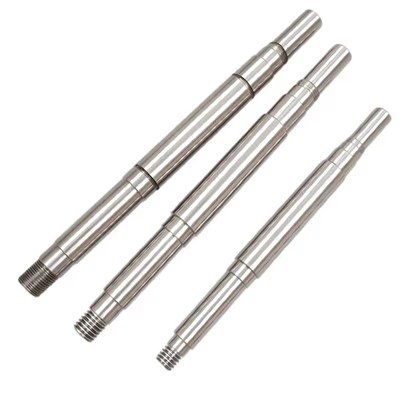
As a supplier of slurry pump spare parts, I’m proud to offer high – quality products. Our parts are made from the best materials, so they’re durable and can withstand the harsh conditions of slurry pumping. We’ve got a wide range of spare parts in stock, so we can usually get the parts you need quickly. And if you’re having trouble with your slurry pump spare parts, we’re here to help. We’ve got a team of experts who can give you advice on troubleshooting and maintenance.
Slurry Pump If you’re facing problems with your slurry pump spare parts or you’re just looking to stock up on some high – quality parts, don’t hesitate to get in touch. We’re always happy to have a chat and see how we can help you out. Whether it’s answering your questions about troubleshooting or helping you find the right part for your pump, we’re here for you.
References
- "Slurry Pump Handbook" by some well – known author in the pump industry
- Technical manuals from major slurry pump manufacturers
Shijiazhuang Ruite Pump Co., Ltd.
Shijiazhuang Ruite Pump Co., Ltd. is one of the most experienced slurry pump spare parts manufacturers and suppliers in China. Please rest assured to wholesale high quality slurry pump spare parts made in China here from our factory. For price consultation, contact us.
Address: Majuan village, Nandong town, Gaocheng, Shijiazhuang, China
E-mail: info@ruitepump.com
WebSite: https://www.rtslurrypump.com/
