Hey there! I’m a supplier of felt wheels, and today I wanna chat about something that’s super important for anyone using these nifty little tools: the minimum temperature a felt wheel can withstand. Felt Wheel
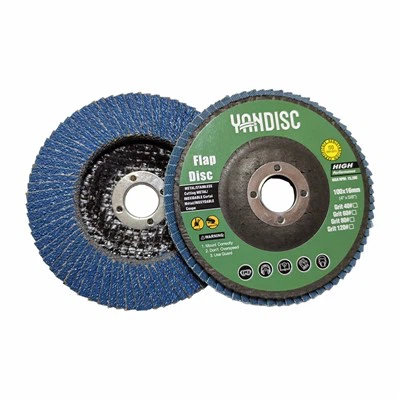
Let’s start by getting a bit of background on felt wheels. Felt wheels are made from compressed fibers, usually wool or a blend of synthetic and natural fibers. They’re used in a whole bunch of industries, from jewelry making to metalworking. You’ll often see them in polishing, buffing, and grinding operations. They’re great because they can conform to different shapes and provide a smooth finish.
Now, when it comes to temperature, it’s a big deal. Temperature can have a huge impact on the performance and lifespan of a felt wheel. If it gets too cold, the fibers can become brittle and break, which means the wheel won’t work as well and might even fall apart. On the other hand, if it gets too hot, the fibers can melt or lose their shape, also ruining the wheel.
So, what’s the minimum temperature a felt wheel can handle? Well, it depends on a few factors. First off, the type of fibers used in the felt wheel matters a lot. Wool felt wheels, for example, are pretty tough. Wool is a natural fiber that has some built – in resilience. It can usually withstand temperatures down to around – 20°C (- 4°F). That’s because wool has a unique structure of crimped fibers that can flex and bend without breaking easily.
But if you’re using a synthetic – fiber felt wheel, the story might be different. Some synthetic fibers are more sensitive to cold. For instance, polyester – based felt wheels might start to get brittle at around – 10°C (14°F). The reason is that synthetic fibers don’t have the same natural flexibility as wool. Their molecular structure is more rigid, and when it gets cold, the molecules move less freely, making the fibers stiffer.
Another factor is the density of the felt. A denser felt wheel, where the fibers are more tightly packed, can generally handle lower temperatures better. The tight packing gives the wheel more strength and stability. So, if you’ve got a high – density wool felt wheel, it might be able to withstand temperatures a bit lower than the standard – density ones.
The way the felt wheel is used also plays a role. If it’s in a static environment, like just sitting on a shelf in a cold storage room, it can probably handle lower temperatures than if it’s being actively used. When a felt wheel is in use, there’s friction involved. Friction generates heat, but in a cold environment, the cold can counteract that heat. If the temperature is too low, the heat generated by friction might not be enough to keep the fibers flexible, and they could break.
Let me give you an example from my own experience. I had a customer who was doing some outdoor metal polishing in the winter. They were using a standard – density synthetic felt wheel. The temperature was around – 5°C (23°F), and they noticed that the wheel started to lose its shape and the fibers were coming loose. They switched to a high – density wool felt wheel, and it worked much better. The wool was able to handle the cold and still provide a good polishing surface.
Now, if you’re planning to use felt wheels in cold conditions, there are a few things you can do to make sure they last. First, try to pre – warm the felt wheels if possible. You can do this by bringing them into a warmer area for a little while before using them. This will help the fibers become more flexible. Second, make sure you’re using the right type of felt wheel for the temperature. If it’s really cold, go for a wool felt wheel or a high – density one.
Also, keep an eye on the performance of the felt wheel. If you notice any signs of brittleness, like fibers breaking or the wheel losing its shape, stop using it and switch to a more suitable one. It’s better to replace a wheel before it completely fails and ruins your work.
I know some of you might be thinking, "Well, why does it matter if the wheel breaks a bit? Can’t I just keep using it?" The thing is, a damaged felt wheel won’t give you the same quality of finish. You might end up with scratches or an uneven surface on your workpiece. And in some industries, like jewelry making, the quality of the finish is super important.
So, to sum it up, the minimum temperature a felt wheel can withstand varies depending on the type of fibers, the density of the felt, and how it’s used. Wool felt wheels can generally handle temperatures down to around – 20°C (- 4°F), while synthetic – fiber felt wheels might start to have problems at around – 10°C (14°F).
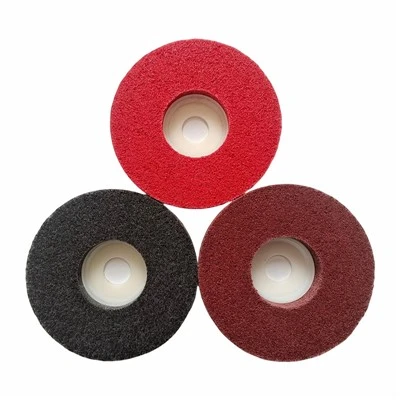
If you’re in the market for felt wheels and want to make sure you’re getting the right ones for your specific temperature conditions, I’m here to help. I’ve got a wide range of felt wheels, from different fiber types to various densities. Whether you’re a small – scale jewelry maker or a large – scale metalworking company, I can provide you with the perfect felt wheels for your needs. Just reach out to me, and we can have a chat about your requirements. I’m always happy to offer advice and find the best solution for you.
Ceramic Flap Disc References:
- Textile Science textbooks on fiber properties
- Industry reports on the performance of felt products in different environments
Henan Yandisc Hardware Tools Co., Ltd.
As one of the most professional felt wheel manufacturers and suppliers in China, our products have good reputation in the market. Please feel free to wholesale high quality felt wheel made in China here from our factory. Customized orders are welcome.
Address: Zinan Road, High-tech Industrial Development Zone, Zhengzhou, Henan, China
E-mail: info@yandisc.com
WebSite: https://www.yandisc.com/
