As a supplier of conical compression springs, I’ve witnessed firsthand the importance of proper storage to maintain the quality and performance of these essential components. Conical compression springs are widely used in various industries, from automotive to aerospace, due to their unique ability to provide variable spring rates and high load capacity in a compact design. However, they are also susceptible to damage during storage, which can significantly affect their functionality and lifespan. In this blog post, I’ll discuss the factors that can damage conical compression springs during storage and provide some tips on how to prevent them. Conical Compression Spring
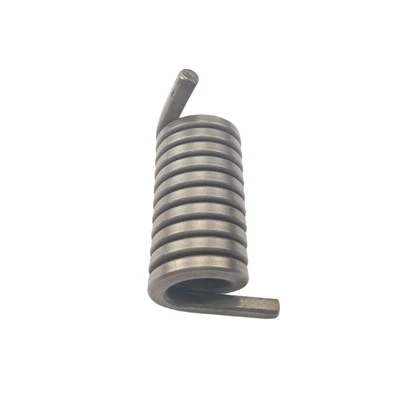
1. Corrosion
Corrosion is one of the most common factors that can damage conical compression springs during storage. Springs are typically made of metal, such as steel or stainless steel, which are prone to rust and corrosion when exposed to moisture and oxygen. Even a small amount of moisture can initiate the corrosion process, leading to the formation of rust on the surface of the spring. Over time, the rust can spread and weaken the spring, causing it to lose its elasticity and load-bearing capacity.
There are several ways to prevent corrosion during storage. First, it’s important to store the springs in a dry environment with low humidity. If possible, use a dehumidifier to maintain the humidity level below 50%. Second, apply a protective coating to the springs, such as oil or grease, to create a barrier between the metal surface and the moisture in the air. This can help prevent the formation of rust and corrosion. Finally, store the springs in a sealed container or bag to further protect them from moisture and other environmental factors.
2. Mechanical Damage
Mechanical damage can also occur during storage, especially if the springs are not stored properly. For example, if the springs are stacked on top of each other without proper support, they can become deformed or damaged. Additionally, if the springs are stored in a container that is too small or too tight, they can be compressed or bent, which can affect their performance.
To prevent mechanical damage, it’s important to store the springs in a way that allows them to maintain their shape and integrity. Use a storage container that is large enough to accommodate the springs without compressing them. If possible, use dividers or partitions to separate the springs and prevent them from rubbing against each other. Additionally, handle the springs with care during storage and transportation to avoid dropping or hitting them.
3. Temperature and Humidity
Temperature and humidity can also have a significant impact on the performance and lifespan of conical compression springs during storage. High temperatures can cause the metal to expand, which can lead to deformation and loss of elasticity. On the other hand, low temperatures can make the metal brittle and more prone to cracking. Similarly, high humidity can increase the risk of corrosion, while low humidity can cause the springs to dry out and become more brittle.
To prevent damage from temperature and humidity, it’s important to store the springs in a controlled environment. Keep the temperature between 10°C and 30°C and the humidity between 30% and 60%. If possible, use a temperature and humidity monitor to ensure that the storage conditions are within the recommended range. Additionally, avoid storing the springs in direct sunlight or near sources of heat or moisture, such as radiators or air conditioners.
4. Chemical Exposure
Chemical exposure can also damage conical compression springs during storage. Springs can be exposed to various chemicals, such as acids, alkalis, and solvents, which can corrode the metal and weaken the spring. Additionally, some chemicals can react with the metal to form compounds that can cause discoloration or other forms of damage.
To prevent chemical exposure, it’s important to store the springs in a clean and dry environment. Avoid storing the springs near chemicals or other substances that can cause damage. If the springs need to be cleaned or treated with chemicals, use only approved chemicals and follow the manufacturer’s instructions carefully.
5. Long-Term Storage
Long-term storage can also pose a risk to the performance and lifespan of conical compression springs. Over time, the springs can lose their elasticity and load-bearing capacity due to factors such as stress relaxation and creep. Stress relaxation occurs when the spring is under constant load for an extended period of time, causing it to gradually lose its ability to return to its original shape. Creep occurs when the spring is subjected to a constant load at high temperatures, causing it to slowly deform over time.
To prevent damage from long-term storage, it’s important to periodically inspect the springs and test their performance. If the springs show signs of damage or degradation, replace them as soon as possible. Additionally, it’s a good idea to rotate the springs in storage to ensure that they are not subjected to constant stress in the same position.
Tips for Preventing Spring Damage During Storage
- Store in a dry environment: Keep the springs in a dry place with low humidity to prevent corrosion.
- Use a protective coating: Apply a coating of oil or grease to the springs to create a barrier against moisture.
- Store in a proper container: Use a container that is large enough to prevent compression and damage.
- Handle with care: Avoid dropping or hitting the springs during storage and transportation.
- Control temperature and humidity: Maintain a stable temperature and humidity level to prevent thermal and moisture-related damage.
- Avoid chemical exposure: Keep the springs away from chemicals and other substances that can cause corrosion or damage.
- Inspect regularly: Periodically check the springs for signs of damage or degradation.
- Rotate springs: If storing for a long time, rotate the springs to prevent stress relaxation.
Conclusion
Compression Spring As a supplier of conical compression springs, I understand the importance of proper storage to ensure the quality and performance of these components. By being aware of the factors that can damage springs during storage and taking the necessary precautions, you can extend the lifespan of your springs and ensure that they perform as expected. If you have any questions or need further advice on spring storage, please don’t hesitate to contact me. I’m here to help you find the best solutions for your spring storage needs.
References
- ASM Handbook, Volume 11: Failure Analysis and Prevention, ASM International
- Spring Design Manual, Associated Spring – Barnes Group Inc.
- ASTM Standards for Spring Materials and Testing, ASTM International
Shengzhou Deyuxiang Hardware Accessories Co., Ltd.
We are one of the most professional conical compression spring manufacturers and suppliers in China, also support customized service. With abundant experience, we warmly welcome you to buy high quality conical compression spring made in China here and get pricelist from our factory. For price consultation, contact us.
Address: No. 38, Caosheng Road, Caoqiao Street, Pinghu City, Jiaxing City, Zhejiang Province
E-mail: 877286126@qq.com
WebSite: https://www.dyx-spring.com/
