Hey there! I’m a supplier of foil bags, and today I wanna chat about a question that often pops up: Do foil bags provide insulation? Foil Bags

Let’s start with the basics. Foil bags are made with a layer of metal foil, usually aluminum. Aluminum is known for a bunch of cool properties, and insulation is one of them. But before we dig deeper, we need to understand what insulation really means.
Insulation is all about reducing the transfer of heat, sound, or electricity. In our case, we’re mainly talking about heat. There are three ways heat can move: conduction, convection, and radiation.
Conduction is when heat moves through a material, like when you touch a hot pan and your hand gets warm. Convection involves the movement of fluids (like air or water) carrying heat. And radiation is the transfer of heat in the form of electromagnetic waves, like the heat we feel from the sun.
So, how do foil bags stack up against these heat transfer methods?
Foil Bags and Conduction
When it comes to conduction, foil bags have a bit of an interesting situation. Aluminum is a good conductor of heat. That might sound bad at first if we’re talking about insulation, but in a foil bag, the aluminum layer is usually very thin. And the bag often has other layers too, like plastic or paper.
These additional layers can act as barriers to conduction. For example, plastic is a poor conductor of heat. So, when you have a foil bag with a plastic layer, it slows down the transfer of heat through conduction. The thin aluminum layer can also reflect some of the heat back, rather than letting it pass through.
Let’s say you’re using a foil bag to keep a cold drink cold. The plastic layer inside the bag will stop the heat from the outside air from quickly conducting into the drink. And the aluminum foil can reflect any heat that tries to sneak in, helping to keep the cold in.
Foil Bags and Convection
Convection is all about the movement of air or other fluids. Foil bags are great at reducing convection. They’re usually sealed, which means they don’t let air in or out easily.
Think about a hot meal in a foil bag. When you seal the bag, you’re trapping the hot air inside. The bag acts as a barrier, preventing the hot air from rising and escaping, and the cold outside air from coming in. This is similar to how a thermos works. The sealed environment inside the foil bag reduces the heat transfer through convection.
Foil Bags and Radiation
This is where foil bags really shine. Aluminum foil is an excellent reflector of radiant heat. Radiant heat is the heat that comes from a warm object in the form of electromagnetic waves.
The sun is a big source of radiant heat, but so are things like hot food or a warm drink. The aluminum foil in a foil bag can reflect a large percentage of this radiant heat.
Let’s say you’ve got a sunny day, and you put a chocolate bar in a foil bag. The foil will reflect a lot of the sun’s radiant heat, keeping the chocolate from melting as quickly as it would if it was just wrapped in paper.
Now, let’s talk about some real – world applications.
Food Packaging
In the food industry, foil bags are a staple. They’re used to keep food fresh, hot, or cold. For example, ready – to – eat meals that are sold in foil bags can stay warm for a longer time. The insulation properties of the foil bag help to keep the heat inside, so when you’re ready to eat, your meal is still at a good temperature.
On the other hand, foil bags are also used for frozen foods. They can help to keep the cold in, preventing the food from thawing during transportation and storage.
Pharmaceutical Packaging
Medicines often need to be stored at a specific temperature. Foil bags provide insulation that helps to maintain that temperature. They can protect the drugs from heat, humidity, and light, which can all affect the quality and effectiveness of the medication. For example, vaccines are very sensitive to temperature changes. Foil bags can provide an extra layer of protection to keep them at the right temperature until they’re ready to be used.
Cosmetics Packaging
Many cosmetics are also packaged in foil bags. Some creams and lotions are formulated to work best at a certain temperature. The insulation of foil bags helps to keep the product at a stable temperature, preserving its quality and performance.
However, it’s important to note that while foil bags do provide insulation, they’re not perfect. There are some factors that can affect their insulation capabilities.
Thickness of the Foil
The thickness of the aluminum foil in the bag matters. A thicker foil will generally provide better insulation, especially against radiation. However, it also makes the bag more expensive and less flexible. So, there’s a balance that needs to be struck between insulation and cost – effectiveness.
Quality of Sealing
If the foil bag isn’t sealed properly, air can get in or out. This can reduce the insulation effects, especially when it comes to convection. A good seal is crucial for maintaining the temperature inside the bag.
External Conditions
The outside environment can also have an impact. If it’s extremely hot or cold, the foil bag will have a harder time maintaining the desired temperature inside. For example, if you leave a foil – wrapped drink in the hot sun for hours, it will eventually heat up, even though the bag provides some insulation.
So, in conclusion, foil bags do provide insulation. They’re effective at reducing heat transfer through conduction, convection, and radiation. They have a wide range of applications in different industries, from food to pharmaceuticals. But they’re not a one – size – fits – all solution, and their performance can be affected by various factors.
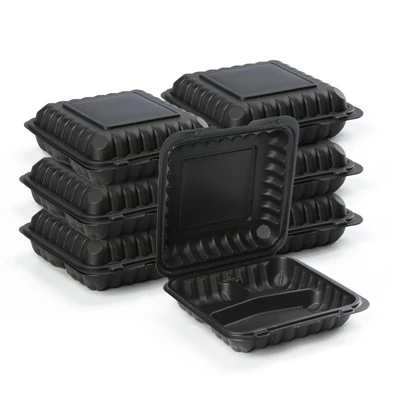
If you’re in the market for high – quality foil bags for your business, whether it’s for food packaging, pharmaceutical products, or cosmetics, I’d love to have a chat with you. We can discuss your specific needs, and I can show you how our foil bags can provide the insulation and protection you’re looking for.
Compartmental Food Container References:
- "Heat Transfer: A Practical Approach" by Yunus A. Cengel
- "Food Packaging Technology" by Andrew R. Robertson
- "Pharmaceutical Packaging: Principles and Practice" by Gordon L. Amidon and Patrick J. Sinko
Huizhou Yangrui Printing & Packaging Co., Ltd.
Huizhou Yangrui Printing & Packaging Co., Ltd. is one of the top level foil bags manufacturers and suppliers in China, welcome to wholesale products from our professional factory. And if you are seeking for manufacturer printed foil bags wholesale business opportunities, please also feel free to contact us.
Address: 1-3F, Bldg.1, Fushun Technology Park, East Industrial Park, Huatang Village, Shatian, Huiyang, HZ, GD,CN
E-mail: sales@packagingbag5.com
WebSite: https://www.packagingbag5.com/
