Installing an electrical insulation rubber mat is a crucial step in safeguarding personnel and equipment from electrical hazards in various industrial, commercial, and residential settings. As a seasoned supplier of electrical insulation rubber mats, I’ve witnessed firsthand the importance of correct installation. In this blog, I’ll share with you a comprehensive guide on how to install an electrical insulation rubber mat, backed by industry knowledge and practical experience. Electrical Insulation Rubber Mat
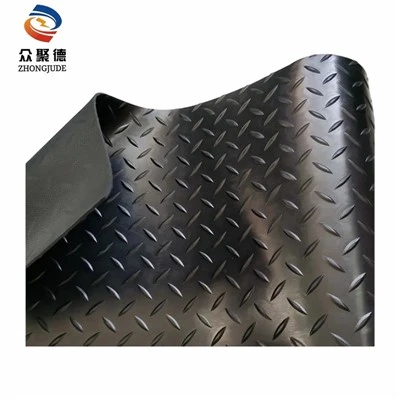
Step 1: Preparation
Before you begin the installation process, it’s essential to gather all the necessary tools and materials. Here’s a list of items you’ll need:
- Electrical insulation rubber mats: Ensure that the mats you’ve selected are appropriate for the voltage and environmental conditions of your application. You can check the technical specifications provided by the manufacturer to make sure. Different voltages require mats with different dielectric strength ratings.
- Measuring tape: You’ll need an accurate measuring tape to measure the area where the mats will be installed. This is crucial to cut the mats to the correct size.
- Utility knife or scissors: A sharp utility knife or scissors will be used to trim the rubber mats to fit the designated area. Make sure the blade is new and sharp to ensure a clean cut.
- Cleaning supplies: A broom, dustpan, and a mild detergent are necessary to clean the installation surface. A clean surface is essential for the proper adhesion of the mats and to prevent any contaminants from affecting the insulation properties.
- Adhesive (optional): In some cases, you may need an adhesive to secure the rubber mats in place. Choose an adhesive that is compatible with rubber and the surface material.
Once you have all the tools and materials ready, prepare the installation area. Remove any debris, dirt, or dust from the surface using a broom and dustpan. Then, clean the surface with a mild detergent and water. Rinse thoroughly and allow the surface to dry completely before proceeding with the installation.
Step 2: Measuring and Cutting
Accurate measurement is the key to a successful installation. Use a measuring tape to measure the length and width of the area where the electrical insulation rubber mat will be installed. Add a few extra inches to each measurement to allow for trimming and adjustments.
Lay the rubber mat on a clean, flat surface. Using the measurements you’ve taken, mark the mat with a pencil or a marker. Then, carefully cut the mat along the marked lines using a utility knife or scissors. Take your time to ensure straight and clean cuts. If the mat is thick, you may need to make multiple passes with the knife to cut through it completely.
Step 3: Installation
If you’re using adhesive, apply it evenly to the back of the rubber mat according to the manufacturer’s instructions. Be careful not to apply too much adhesive, as this can cause the mat to wrinkle or bubble. Alternatively, some mats come with a self – adhesive backing, in which case you can simply remove the protective liner.
Carefully place the cut rubber mat onto the prepared installation surface. Start from one corner and slowly unroll the mat, making sure it lies flat and smooth. Use a roller or a flat object to press the mat firmly onto the surface, removing any air bubbles or wrinkles as you go. If there are seams between multiple mats, make sure they are aligned properly. You can use a seam sealer or adhesive tape designed for rubber mats to seal the seams and prevent moisture or dirt from getting in.
For areas with irregular shapes or around obstacles such as pipes or electrical panels, you may need to cut the mat into smaller pieces and fit them together. Make sure to seal all the edges and seams to maintain the integrity of the insulation.
Step 4: Inspection
After the installation is complete, conduct a thorough inspection of the electrical insulation rubber mat. Check for any signs of wrinkles, bubbles, or unevenness. Make sure the mat is firmly attached to the surface and that all seams are properly sealed.
Inspect the edges of the mat to ensure they are smooth and free of any sharp or jagged edges. These can pose a safety hazard and may also affect the performance of the mat over time.
Test the mat’s electrical insulation properties if possible. You can use a megohmmeter to measure the resistance of the mat. The measured resistance should meet the specified requirements for the application. If the resistance is lower than expected, there may be a problem with the installation or the mat itself.
Step 5: Maintenance and Safety Considerations
Regular maintenance is essential to ensure the long – term performance of the electrical insulation rubber mat. Keep the mat clean by wiping it with a mild detergent and water regularly. Avoid using abrasive cleaners or solvents, as these can damage the rubber.
Inspect the mat periodically for signs of wear, tear, or damage. If you notice any cuts, cracks, or other damage, replace the affected section of the mat immediately. Damaged mats can compromise the electrical insulation and pose a serious safety risk.
In addition to maintenance, it’s important to follow all safety regulations and guidelines when using electrical insulation rubber mats. Make sure that all personnel working in the area are trained on the proper use and handling of the mats. Provide clear signage indicating the presence of electrical insulation mats and their purpose.
Why Choose Our Electrical Insulation Rubber Mats
As a leading supplier of electrical insulation rubber mats, we take pride in offering high – quality products that meet the strictest industry standards. Our mats are made from premium – grade rubber materials that offer excellent electrical insulation properties, durability, and resistance to various environmental factors.
We have a wide range of mats available in different sizes, thicknesses, and voltage ratings to suit your specific needs. Whether you’re looking for mats for a small electrical panel or a large industrial facility, we can provide you with the right solution.

Our team of experts is always available to provide you with technical support and advice on the selection and installation of electrical insulation rubber mats. We understand the importance of safety in electrical applications, and we’re committed to helping you create a safe working environment.
Acid Resistant Rubber Sheet If you’re interested in purchasing electrical insulation rubber mats or have any questions about our products, please don’t hesitate to contact us. We’re here to assist you with all your electrical insulation needs.
References
- Electrical Safety Standards Handbook, National Electrical Safety Code (NESC)
- Rubber Industry Technical Manual, Rubber Manufacturers Association (RMA)
- Installation Guidelines for Electrical Insulation Products, International Electrotechnical Commission (IEC)
Hebei Zhongjude Power Technology Co., Ltd.
With abundant experience, we are one of the most reliable electrical insulation rubber mat manufacturers and suppliers in China. Welcome to buy bulk high quality electrical insulation rubber mat for sale here and get quotation from our factory. For price consultation, contact us.
Address: Shenghe Plaza, No. 88 Qilian Street, High-tech Zone, Shijiazhuang City, Hebei Province, China
E-mail: zhongjude@outlook.com
WebSite: https://www.zjdinsul.com/
