If you’ve ever stood on the deck of a commercial cargo ship, fishing trawler, or even a small recreational yacht during a rough crossing, you might’ve glanced over at that unassuming, boxy piece of equipment tucked away in the engine room or near the hull’s lowest point: the bilge pumping system. As a marine equipment supplier who’s been talking to skippers, chief engineers, and port managers for over a decade, I can tell you this isn’t just a “miscellaneous” part of a vessel—it’s the unsung guardian of every boat that takes to open water. Too many new captains write it off until the moment water starts sloshing through the bilge, and by then, it’s almost always too late to fix a costly emergency. Today, I want to break down exactly what marine bilge pumping equipment does, why every function matters, and how choosing the right system can mean the difference between a routine voyage and a disaster. Marine Equipment

First, let’s start with the basics to set the stage. The bilge is the lowest interior compartment of a vessel, the basin that collects any water that makes its way inside—whether that’s seawater seeping through tiny hull cracks, spray washing over the gunwales during a storm, freshwater from rain or washing the deck, or even condensation from the engine’s cooling system. Left unchecked, even a few gallons of bilge water can shift a vessel’s balance, short-circuit electrical components, or cause corrosion that eats away at the hull over months. Bilge pumping equipment is the entire suite of parts designed to remove that water safely and efficiently, and its functions go far beyond just “pumping water out.”
Let’s start with the most immediate, and most obvious, function: emergency water removal. This is what every captain thinks of first when they check their bilge alarms. Imagine a 50,000-ton container ship hitting a rogue wave that splits a minor hull fitting, or a small fishing boat taking on water after a collision with a buoy. In those split-second moments, the bilge pump is the only line of defense between a controlled return to port and a sinking vessel. Modern systems come with high-capacity, self-priming pumps that can move thousands of gallons of water per hour—enough to outpace a small leak, and often even a moderate one, if deployed quickly. I remember a conversation I had last year with a chief engineer from a bulk carrier that hit a submerged container in the North Sea during winter. His secondary bilge pump kicked in automatically within 90 seconds of the leak being detected, and by the time the ship reached a sheltered port, the pump had removed over 12,000 gallons of water that would’ve left them adrift. That’s not an exaggeration—that’s the kind of real-world use case that makes the right bilge system non-negotiable.
But emergency removal is just the tip of the iceberg. A second, equally critical function is continuous routine bilge water management. Vessels don’t only take on water during emergencies—they seep small amounts of water day in and day out. For larger ships, that can add up to hundreds of gallons per week, all collected in the bilge. Routine bilge pumping keeps the water level low enough to prevent damage to sensitive equipment: if bilge water rises too high, it can submerge electrical wiring, corrode engine components, or mix with fuel or oil that’s also collected in the bilge, creating a hazardous flammable environment. Many of our clients with long-haul cargo ships install automatic bilge systems that run on a timer or activate at set water levels, so they never have to manually check the bilge while crossing the Pacific or Atlantic. This is especially important for vessels with large bilge spaces—manually pumping hundreds of gallons of water each day isn’t just inefficient, it’s impossible to maintain consistently on multi-week voyages.
Speaking of that mix of water, fuel, and oil in the bilge—this leads to another function that’s become increasingly regulated in recent decades: compliance with environmental standards. I can’t stress this enough, because skippers who ignore this part do so at their own financial and legal risk. Bilge water isn’t just H2O; it’s often contaminated with hydrocarbons, heavy metals, and other chemicals from engine leaks, hydraulic fluid, or paint residue. In most parts of the world—including the US, EU, and all major international shipping zones—discharging untreated bilge water into the ocean is illegal, with fines that can run into millions of dollars for large vessels, and even imprisonment for owners or captains of smaller craft. Modern marine bilge pumping equipment doesn’t just pump water—it can integrate with oil-water separators, filters, and monitoring systems that remove up to 99% of hydrocarbons before the water is discharged overboard. As a supplier, we work with clients to install systems that meet both local and international regulations, from MARPOL Annex I (the international standard for preventing marine pollution from ships) to regional rules for coastal areas. A few years ago, we helped a group of small fishing trawlers in the Gulf of Mexico upgrade their bilge systems; before that, they were dumping untreated bilge water because existing pumps didn’t have filtration capabilities, and they were facing fines that would’ve put two of them out of business. The upgrade cost a fraction of the fines they were paying annually, and kept them compliant without adding extra work for their small crews.
Another function that’s often overlooked is protection of vessel structure and long-term durability. Saltwater is corrosive, and even small amounts that sit in the bilge for weeks or months can eat away at steel or fiberglass hulls, rust through mounting brackets, or corrode the metal pipes that run through the lowest levels of the ship. Bilge pumping equipment keeps that corrosive water moving out, rather than letting it pool and cause slow, irreversible damage. For recreational vessels, this is especially important because many smaller boat owners don’t realize that a tiny, untreated leak in the bilge can turn a $50,000 yacht into a total loss in a few years. For commercial vessels, the cost of repairing corroded bilge areas runs into six figures, so installing a reliable pumping system is a preventative maintenance step that pays for itself over time. I recently spoke to a yacht owner here in Florida who had a 38-foot sailboat that he’d owned for 15 years. He told me that the only major repair he’s ever had to make to the bilge area was fixing a small fitting, because he’s had the same bilge pumping system from when he bought the boat. That system has kept bilge levels low, prevented corrosion, and saved him thousands in potential repairs.
Wait, let’s also talk about different types of vessels, because their bilge pumping needs aren’t one-size-fits-all. For example, a luxury cruise ship with hundreds of cabins and a huge steel hull needs high-volume, multi-pump systems that can handle massive leaks and continuous seepage, and also integrate with the ship’s central monitoring network. A small sailboat used for day sailing, on the other hand, needs a compact, lightweight bilge pump that’s easy to install and maintain, and affordable for a private owner. A fishing trawler, which operates in rough coastal waters and has constant exposure to salt spray, needs a durable, corrosion-resistant pump that can handle both water and small amounts of debris, like fish parts or seaweed that might clog lines. As a marine equipment supplier, I always take the time to ask clients about their specific vessel type, where they operate, and their typical use, because a pump that works perfectly for a cruise ship will be overkill (and too heavy) for a small recreational boat, and a compact pump won’t have enough capacity for a long-haul cargo ship.
I’ve also seen mistakes that crews make with bilge systems that lead to problems, so let’s touch on that as part of understanding the equipment’s purpose. Some crews only test their bilge pumps when they’re in port, but that’s not enough—systems need to be tested regularly, both automatically and manually, to make sure they’re working. A bilge pump that’s clogged with debris, or has a faulty float switch (the part that turns the pump on when water reaches a set level) is useless when you need it most. We recommend that all clients have their bilge systems inspected at least once a year, and that they carry spare parts—like replacement float switches or impellers—on board, because those are the parts that fail most often. Last hurricane season, we had a client in the Caribbean whose main bilge pump failed because a seaweed clog got stuck in the intake, but they had a spare impeller on hand, so they were able to fix it in 10 minutes and avoid any damage to their vessel. That’s the kind of preparation that good bilge pumping equipment enables.
Another function I want to highlight is integration with other safety systems. Modern bilge pumping equipment doesn’t work in isolation—it connects to smoke alarms, fire suppression systems, and hull damage monitors. If a hull sensor detects a leak, it automatically triggers the bilge pump to turn on, sounds an alarm in the bridge and engine room, and even sends a alert to the ship’s shore-based management team, so they can act fast even if the crew is busy with other tasks. For commercial vessels, this remote monitoring is a game-changer, because it means issues can be addressed before they become emergencies. We installed a monitoring system like this on a 120-meter research vessel that does long-term studies in the Antarctic; the team on shore can check the bilge level in real time, and last year, they caught a minor leak from a ice damage before it rose more than six inches in the bilge. That would’ve been a disaster in the cold, remote Antarctic waters, but the bilge pumping system caught it early and prevented any problems.
Now, let’s address a common misconception: some people think that bilge pumps are only for big vessels, but that’s not true. Even a 16-foot aluminum dinghy needs a bilge pump, because water can splash over the gunwale, and small leaks are common. For these small vessels, we carry both manual and electric bilge pumps—manual ones are affordable and work for occasional use, while electric ones are automatic, so they turn on without anyone needing to flip a switch. For many small boat owners, that automatic function is a lifesaver, because if they’re fishing and get caught in a sudden squall, they don’t have to stop what they’re doing to bail water.
Let’s circle back to why this matters so much right now. The global shipping industry is growing, with more vessels operating in more remote areas, and regulations around environmental protection are getting stricter every year. Vessel owners can’t afford to cut corners on bilge pumping equipment, because the costs of a leak, a fine, or a sinking are exponentially higher than the cost of a reliable system. For example, the Panama Canal recently updated its rules for bilge water discharge, requiring all vessels crossing through the canal to have advanced oil-water separation systems installed, and ships that don’t comply are turned away. That’s not an isolated rule—it’s part of a global push to protect ocean environments, and bilge pumping equipment is at the center of that effort.
As someone who’s worked in marine equipment for over a decade, I’ve seen too many close calls, and too many avoidable disasters, because of a bilge system that wasn’t up to par. I’ve helped a captain who had to abandon his small fishing boat off the coast of Maine because his old bilge pump couldn’t handle the leak after hitting a piece of driftwood, and I’ve helped a cruise ship operator avoid a $2 million fine because we upgraded their bilge system to meet new MARPOL standards. These are real stories, not just case studies, and they drive home how important this piece of equipment is.
If you’re a vessel owner, a captain, or a maintenance manager reading this, I know you’re focused on a lot of priorities: fuel efficiency, crew safety, cargo protection, regulatory compliance. But I want you to add bilge pumping equipment to that list. It’s not a fancy, high-tech gadget—it’s a workhorse that operates 24/7, even when no one is watching, and it’s the first line of defense for your vessel, your crew, and the ocean you operate in.
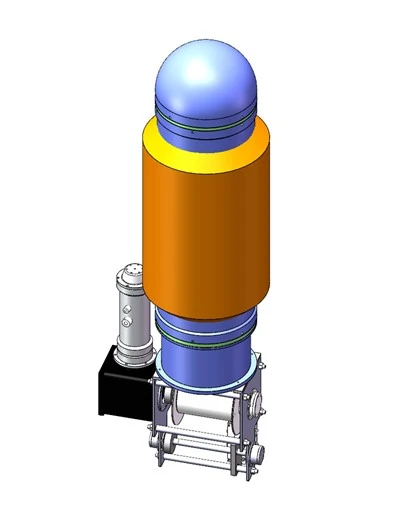
If you’re looking to upgrade your bilge system, need help choosing the right equipment for your specific vessel, or want to learn more about compliance rules for your operating area, don’t hesitate to reach out. We work with vessels of all sizes, from small recreational boats to large cargo and cruise ships, and we provide tailored solutions, installation support, and ongoing maintenance to make sure your bilge system works when you need it most.
Rail Transit Industry References:
International Convention for the Prevention of Pollution from Ships (MARPOL) Annex I
US Coast Guard Recreational Boating Safety Program: Bilge Pump Best Practices
International Maritime Organization (IMO) Guidelines for Bilge Water Management
Society of Naval Architects and Marine Engineers (SNAME) Standards for Marine Pumping Systems
Shandong Huate Tuojiang Intelligent Equipment Co., Ltd.
As one of the leading manufacturers and suppliers of marine equipment in China, we’re featured by quality products and good price. Please rest assured to buy advanced marine equipment for sale here from our factory. Welcome to view our website for more information.
Address: Sino-German Cooperation Industrial Park, Licheng District, Jinan City, Shandong Province
E-mail: sdhttj01@163.com
WebSite: https://www.httjznzb.com/
