If you’re in the market for a fence trailer—whether you’re a farmer hauling livestock between pastures, a landscaped moving materials across uneven ground, or someone with a property spread out on sloped terrain—you’ve probably wondered: can a fence trailer actually work in hilly areas? As a fence trailer supplier who’s been talking to folks out in the field for years, I get this question all the time. It’s not a one-size-fits-all answer, but with the right setup and know-how, a good fence trailer can totally hold its own on hills—no need to rush out and buy a specialized hauler just because your land’s got some slope. Fence Trailer
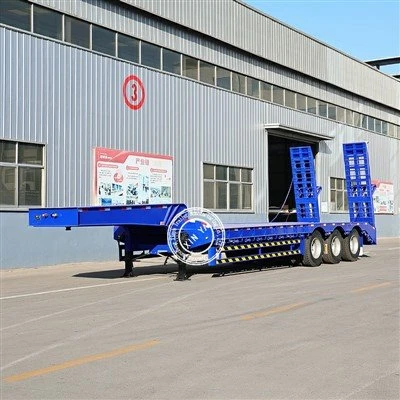
First, let’s break down why hills are tricky for any trailer, not just fence ones. Hilly terrain means uneven weight distribution, more stress on the hitch, and constant adjustments to steering and braking that regular flat-land equipment isn’t built for. A lot of people assume because fence trailers are generally lighter than, say, a gooseneck stock hauler, they’d tip or slide on slopes. But that’s where choosing the right type of fence trailer makes all the difference. For hilly areas, I always point customers to bumper-pull fence trailers with a low center of gravity. Wait, let’s keep it real—low center of gravity isn’t just a sales pitch; it’s physics. If the main part of the trailer (the frame, the fence panels, whatever you’re hauling) sits closer to the ground, it’s way less likely to tip when you’re turning on a side slope or backing down a steep driveway. I’ve seen customers try to use a high-mounted fence trailer for hilly land and end up with a wobbly load halfway up a hill—total headache.
Next, let’s talk about tires and brakes—two non-negotiables for hilly terrain. Regular fence trailers often come with standard bias-ply tires that work fine on flat roads, but on hills? Radial tires with a higher load rating and better sidewall strength are a must. Why? Bias-ply tires flex more when going over uneven slopes, which can make the trailer sway at bad times. Radials hold their shape better, so you get more stability. And brakes—don’t even think about using a trailer without electric brakes on all axles. Some budget fence trailers only have brakes on one axle, which is a disaster on hills. When you’re going downhill, your truck’s brakes have to work extra hard to stop both itself and the trailer; if the trailer’s not braking evenly, it can push your truck forward, or even start fishtailing. I’ve had a customer tell me he tried a single-axle-brake trailer on a 10% slope and had to slam his own brakes to avoid hitting a guardrail—total scare. That’s why every fence trailer we sell for hilly areas comes standard with brakes on both axles; it’s not an upgrade, it’s just common sense.
Now, what you’re hauling matters too, right? Fence trailers are super versatile—you can put horses in ’em, sheep, hay bales, tools, even small farm equipment. On hills, overloading is the biggest mistake people make. It’s tempting to cram as much as possible into one trip to save time, but too much weight means more strain on the tires, brakes, and hitch, and less traction when you’re going up or down slopes. For example, if you’re hauling livestock in a fence trailer on a hill, spread the animals out instead of sticking all the weight on one side. Uneven load weight is a top cause of trailer sway on hills, especially when you’re turning. I had a farmer out in western North Dakota (yeah, that’s hilly in parts) tell me he used to load all his goats on the left side of the trailer, and every time he turned right up a hill, the trailer would lurch. Once he started balancing the load front to back and side to side, that problem went away entirely. Pro tip: if you’re hauling hay, stack the bales evenly, and don’t go over the trailer’s gross vehicle weight rating (GVW)—it’s printed on the tongue, so don’t ignore it.
Wait, what about terrain-specific hacks? If your hills are grassy and soft vs. rocky, that changes things too. For soft, muddy hills, maybe add tire chains (or mud tires) for better traction. Rockier hills might need a trailer with a higher ground clearance so it doesn’t scrape on big rocks when you’re going over uneven ground. A lot of basic fence trailers have 12-inch ground clearance, but for really rough hills, we can upgrade to 15-inch—no extra cost, just something I recommend for people who drive off-road a lot. Also, when backing up a trailer on a hill—this is something almost everyone messes up. On flat ground, you turn the steering wheel the way you want the trailer to go, but on hills, if you’re backing down a slope, you have to be extra slow, and sometimes even turn the wheel the opposite way a little to counteract sway. I always tell customers practicing on a flat, empty lot first before taking it out on hills. I’ve seen so many new trailer owners get spooked on a hill and jerk the wheel, which makes the trailer tip. Slow and steady is the name of the game.
Now, let’s get real about the myths. Some folks swear that only gooseneck trailers work on hills, but that’s not true. Goosenecks are great, but they’re bigger, harder to maneuver in tight spots (like a narrow farm lane up a hill), and more expensive. We’ve sold tons of bumper-pull fence trailers to folks in hilly areas who say they can turn around easier in their barnyard than their neighbor’s gooseneck. The key is matching the trailer size to your needs. If you’ve got a small acreage and only need to haul 2-3 horses or a couple bales of hay, a 16-foot bumper-pull fence trailer with a low CG is more than enough for hills. If you’re running a larger operation, a 20-foot model with dual axles and heavy-duty tires will handle that, no problem.
Another thing to consider: hitch type. A lot of fence trailers come with a standard ball hitch, but for hilly areas, a weight-distributing hitch is a game-changer. When you’re going up a steep hill, the weight of the trailer shifts to the back of your truck, which can make your steering feel loose. A weight-distributing hitch spreads that weight evenly between the front and back of your truck, so you have better control. It’s not an upgrade you have to buy right away, but it’s something I always suggest for anyone driving on slopes over 5%—it makes a huge difference in stability.
Wait, let’s talk about maintenance, because that’s a big part of making any trailer work on hills. You can have the best trailer on the market, but if you skip maintenance, it’ll fail you on a hill. Check your tire pressure before every trip—low tire pressure causes flex, which leads to blowouts on steep slopes. Check your brake fluid and brake pads every six months, especially if you’re hauling heavy loads. Lubricate the trailer’s hinges and the hitch regularly, so nothing seizes up when you’re halfway up a hill. I had a customer a couple years ago who didn’t lubricate his hitch, and when he tried to turn into his barnyard on a hill, the hitch locked up, and he nearly crashed into a fence. That’s the kind of mistake that’s totally avoidable.
Now, who is this for? If you’re a small-scale farmer, a hobbyist with a few acres, a landscaper who moves materials between job sites with hills, or anyone who needs a versatile hauler that works on flat and sloped ground, a fence trailer is totally viable. We’ve had customers in the Appalachians, the Ozarks, even parts of the Rockies (where hills are steep, let me tell you) using our fence trailers for years without issues. The biggest mistake people make is overbuying a specialized trailer they don’t need, or underbuying a budget trailer that skips the key features for hills.
Let’s wrap this up: Can a fence trailer work in hilly areas? Hell yeah, it can. Not only can it work, it’s often more practical than a bigger, bulkier gooseneck because of its maneuverability, especially on narrow, winding hillside roads. The key is choosing the right model (low center of gravity, dual axle brakes, radial tires), loading it correctly (balanced, not overloaded), maintaining it regularly, and learning the basics of trailer control on slopes.
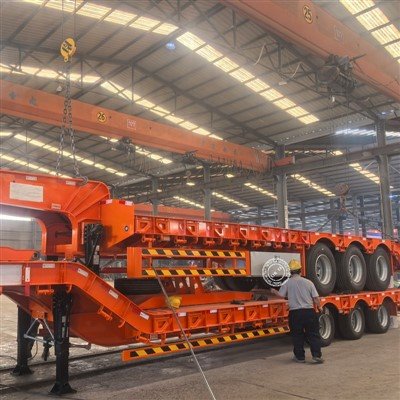
If you’re still not sure which fence trailer is right for your hilly property or work, feel free to reach out to chat through your needs, terrain, and hauling habits. We’re here to help you pick a setup that’ll get the job done safely and smoothly, whether you’re going up a steep pasture hill or down to the local market.
Skeleton Semi-trailer References
- North American Trailer Manufacturers Association. "Trailer Stability on Sloped Terrain." 2022.
- University Extension Services, Agricultural Engineering. "Loading Guidelines for Livestock Trailers in Hilly Areas." 2021.
- Tire Industry Association. "Tire Selection for Off-Road and Sloped Trailer Use." 2023.
- Farm Equipment Safety Institute. "Hitch and Brake Maintenance for Hilly Terrain." 2022.
Shandong Yuncheng Xinya Trailer Manufacturing Co., Ltd.
Shandong Yuncheng Xinya Trailer Manufacturing Co., Ltd. is one of the most experienced fence trailer manufacturers and suppliers in China, featured by quality products and good service. Please rest assured to buy CE approved fence trailer from our factory. Contact us for customized service and OEM service.
Address: No. 008, Hexie Road, Yangzhuangji Town, Yuncheng County, Heze City, Shandong Province
E-mail: fiona@xinyatrailer.com
WebSite: https://www.china-truckfactory.com/
