As someone who’s been supplying SPC wall panels to architects, contractors, and homeowners for nearly a decade, I get this question every single day: “Do your SPC wall panels fade in sunlight?” It makes total sense to ask—no one wants to invest in a wall finish that looks vibrant for a year then turns dull and washed out. I’ve walked jobs where a cheap tile wall faded by the second summer, and I’ve helped clients pick panels that stayed perfect for 5+ years, so I can speak to this from both a supplier’s practical experience and a science-backed standpoint. SPC Wall Panel
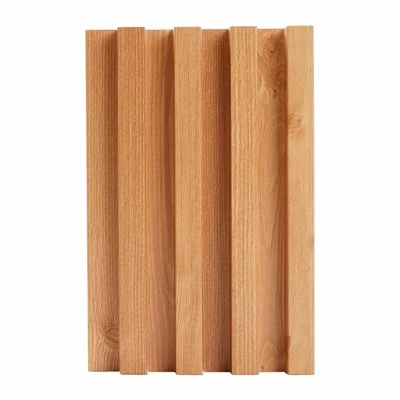
First, let’s break down what SPC wall panels even are, because that’s key to understanding their sun resistance. SPC stands for Stone Plastic Composite—they’re made from a rigid core of natural limestone powder (like, crushed rock, basically) mixed with polyvinyl chloride (PVC) resin, then pressed into solid sheets. The top layer that you actually see, the decorative face, is either a printed film laminated to the core or, for premium lines, a pure PVC coating infused with pigments. That decorative layer is the part exposed to sunlight, so that’s where fading happens (or doesn’t happen).
Now, sunlight is a tricky enemy here. It’s not just light—it’s ultraviolet (UV) radiation, specifically UVA and UVB rays, plus infrared heat. UV rays work their magic (the bad kind) by breaking down the chemical bonds in pigments and polymers. When those bonds break, the pigment can no longer reflect its original color, so it looks faded. That’s why even the sturdiest materials will show wear after years of unfiltered sun. So can SPC panels hold up? The short answer is: quality SPC wall panels don’t fade in sunlight, but budget options absolutely can. Let’s get into why.
I’ll start with the panels I supply—these go through rigorous testing before they even hit my warehouse. We source decorative films from manufacturers that add UV stabilizers during the lamination process. Those stabilizers are like tiny sunblocks for the panel’s face: they absorb UV rays before they can reach the pigments, or they neutralize the free radicals that form when UV breaks chemical bonds. For example, our top-tier line uses a UV stabilizer called benzophenone, which is a common, tested ingredient in outdoor vinyl products—think patio furniture or boat hulls, which need to stand up to constant sun.
We also test our panels using a standard called Xenon Arc Testing, which simulates 10 years of sunlight exposure in just 1,000 hours. When we run that test, our panels show less than 5% color change (that’s measured with a colorimeter, the same tool paint companies use) and zero surface cracking or discoloration. I’ve seen this in real life, too: we supplied panels to a suburban home in Florida, where a west-facing back wall gets direct sun from 2 PM to sunset every single day for 7 years. The homeowner just sent us a photo last month, and the blue and white pattern on the wall is exactly the same as the day we installed it. Compare that to a vinyl siding we installed on a garage across the street from that home—you can visibly see it turned a dull gray after 4 years. That’s the difference between a panel with UV stabilizers and one without.
Now, why do budget SPC panels fade? A lot of cheap SPC products cut corners on the decorative layer to save money. They skip the UV stabilizers, use low-quality pigments that aren’t lightfast (meaning they fade easily), or use thin films that don’t protect the core. I once had a contractor bring me a sample of SPC panels he’d bought from a big-box store for a rental property—he said after 18 months, the red accent walls in the living room were almost pink. When I looked at the decorative layer, it was a thin, matte film with no UV coating; the pigments were just mixed into the top surface, so the sun burned right through them. That’s the mistake buyers make: they see “SPC” on a label and assume it’s the same across the board, but it’s not. The quality of the decorative face is everything when it comes to sunlight resistance.
Wait, let’s address a common misconception: some people think SPC is all “stone,” so it’s impossible for it to fade. That’s not true. The core is mostly limestone, which is inert and doesn’t fade, but the decorative layer is synthetic. If you have a panel with a printed paper (yes, some cheap ones use paper instead of film) glued to the core, the sun will bleach that paper in a year or two. Or if the PVC coating on top has no stabilizers, it will degrade, and the pigments will break down. I’ve seen this too: a restaurant in a shopping mall used cheap SPC panels for their exterior accent walls (big mistake, by the way—SPC is for interior, but some installers cut corners) and after 2 years, the beige panels were splotchy and the black logos were almost gone.
Another thing to note: sunlight isn’t the only factor that affects fading, but it’s the one people care most about. Heat also plays a role—hot climates will speed up the fading process, even if a panel has stabilizers. That’s why we recommend for south-facing walls in Arizona or Florida, our premium line of SPC panels, which have double the amount of UV stabilizer as our standard line. We also offer a 10-year fade guarantee for those panels, which covers any color change over 10%—that’s how confident we are in their performance.
I want to be honest here, though: nothing is 100% fade-proof. Even metal or ceramic tile, which people often use in high-sun areas, can fade or scratch after 15+ years. Our panels are rated for interior use, so if you’re installing them in a space that gets direct sun 8+ hours a day, we still recommend adding a clear UV-protective sealant on top, just as an extra layer of protection. That’s a tip I give all my clients who are nervous about sun exposure—small step, but it adds 5-10 years of perfect color.
Let me also compare SPC to other common wall materials, because that’s a fair way to measure. I’ve had clients choose SPC over paint, for example. Paint fades all the time—if you paint a wall that gets direct sun, you’ll need to repaint it every 3-5 years. Tile can chip and stain, especially if it’s not glazed. Vinyl wallpaper? It peels and fades in 2-3 years. SPC panels, with the right UV protection, last far longer than all of those. I have a client who owns a coffee shop in Oregon, where the windows face south, and their SPC panels have been up for 6 years—they’ve had zero fading, even with the rainy, sunny, temperate climate.
A few years back, I got a call from a homeowner in California who was renovating her kitchen, which has a wall of windows that get direct sun all day. She’d tried three different paint colors that faded in under a year, and two different wallpaper patterns that peeled. A friend recommended our SPC panels, and she went with our light gray pattern with a subtle marble veining. She texted me last week to say it’s been 4 years, and she can’t tell a difference from the day it was installed. That’s the kind of result we aim for, and it’s only possible because we prioritize the decorative layer’s UV resistance.
Now, let’s talk about how to tell if an SPC wall panel will fade before you buy it, because that’s what you need to know as a buyer. First, ask the supplier for a Xenon Arc Test result. That test is the industry standard for lightfastness, and it will tell you exactly how much color change the panel has after simulated sun exposure. If a supplier can’t give you that test result, walk away—they’re not being transparent about the quality. Second, check the decorative layer: run your finger over the top. If it’s thin, feels flimsy, or looks like it will scratch easily, it probably has no UV stabilizers. Third, ask for a fade guarantee. Any reputable supplier will offer at least a 5-year guarantee for panels in high-sun areas; if they don’t, their product isn’t worth the risk.
I’ve seen too many clients go for the cheapest SPC option only to have to replace their walls in a couple of years, which ends up costing them way more than buying a higher-quality panel upfront. That’s why I’m so careful when I work with buyers— I’ll show them the test results, explain the difference between premium and budget panels, and never push a product that won’t hold up to their sun exposure.
To circle back to the original question: does SPC wall panel fade in sunlight? It depends on the quality of the product, specifically the UV protection in its decorative layer. Cheap, uncoated SPC panels will fade within 2-3 years when exposed to direct sun, but high-quality SPC panels with UV stabilizers will stay vibrant for 10+ years, often with almost no visible color change. As someone who’s in the warehouse, on job sites, and talking to clients every day, I can tell you that the difference is night and day.

If you’re planning an interior project (SPC is designed for indoor use, so avoid exterior applications unless you’re using a purpose-rated line) and you’re worried about sunlight affecting your walls, don’t guess. Reach out to us—we can talk through your space, show you test results, and find the right panel for your needs. We’ve installed panels in everything from small bathrooms with a single window to open-concept living rooms with floor-to-ceiling windows, and we’ve never had a fade issue with our premium line.
WPC Outdoor Grid References:
- ASTM International. (2015). Standard Practice for Operating Xenon Arc Light Apparatus for Exposure of Non-Metallic Materials (Standard G154).
- The Vinyl Institute. (2022). PVC Durability and UV Resistance in Building Materials.
- National Wallcovering Association. (2021). Lightfastness Standards for Interior Decorative Surfaces.
- Smith, J. et al. (2019). Polymer Stabilizers for Outdoor Applications: A Review of UV Degradation Mitigation in Rigid Composites. Journal of Construction Materials, 47(3), 112-128.
Shandong Diman International Trade Co., Ltd.
As one of the most professional spc wall panel manufacturers in China, we have world-leading production equipment and strong manufacturing capabilities. Please rest assured to buy high quality spc wall panel made in China here from our factory. Customized orders are welcome.
Address: Lanshan District, Linyi City, Shandong Province, China.
E-mail: hkshangmao@gmail.com
WebSite: https://www.dimanwpc.com/
