If you’ve ever priced PVC wood grain film for your next project—whether you’re a cabinet manufacturer, furniture maker, or even a signage designer—you’ve probably stumbled on a common question: does this stuff actually come in different lengths? As someone who’s been supplying PVC wood grain film for over 7 years now, I get asked this all the time, and honestly, the answer’s not as straightforward as you might think. Let me break this down like I would to a client who just shot me a quick DM at 8 a.m. on a Monday—no fancy jargon, just straight-up what you need to know. PVC Wood Grain Film

First, let’s start with the basics: what is PVC wood grain film, anyway? For anyone new here, it’s that thin, flexible plastic sheet with a printed wood finish—used to cover particleboard, MDF, or even metal parts to make them look like real oak, walnut, or pine. It’s way cheaper than solid wood, easier to install, and way more durable, which is why it’s everywhere from kitchen cabinets to office desk panels. But length is a huge deal here, right? If you’re doing a big commercial project—like fitting out a whole chain of retail stores—you don’t want to seam 10-foot sections of film together. And if you’re a small custom furniture builder, you don’t want to buy a 500-foot roll when you only need 20 feet for a single dining table set.
So, back to the question: yes, it absolutely comes in different lengths—but not all suppliers offer every size, and there’s a reason for that. Let’s split this into two categories: standard stock rolls and custom-cut rolls, because that’s how most of the industry works.
Standard stock lengths are what you’ll find at most suppliers, including us. For a long time, the go-to standard was 100 feet (about 30 meters), but over the last 5 years, we’ve added smaller rolls for folks who don’t need bulk. Now, our stock includes 25-foot rolls for small jobs, 50-foot for mid-sized, 100-foot for regular projects, and even 200-foot rolls for bigger commercial runs. Wait, why not longer? Let’s be real: PVC film is thin—usually 0.015 to 0.03 millimeters thick. A 500-foot roll of that, even 48 inches wide, is super heavy and hard to handle on your equipment. Most laminating machines are set up to handle rolls up to 100 to 200 feet without needing extra reinforcement, so anything longer than that starts to become a hassle for both the supplier and the customer. We used to stock 300-foot rolls a few years back, but almost all our clients said they’d rather pick up a 100-foot roll than deal with the extra weight and storage space. So that’s a big point: stock lengths are optimized for what actually works in the field, not just what we can roll off a machine.
Now, custom lengths—this is where it gets fun, and where we’ve stepped up our game over the last 2 years. A lot of suppliers will tell you “no, we only cut to standard sizes,” but for us, if a client needs 72 feet for a single wall panel, or 120 feet for a run of shelves, we can cut that to order. Here’s the catch: we have to make sure the length is compatible with the width and the wood grain pattern. Wait, why does the pattern matter? PVC wood grain film is printed in a repeating pattern, right? If you cut a roll too short, you might end up with a seam right in the middle of a dark knot on the wood, which is a dead giveaway that it’s not real wood. So when we do custom lengths, we have to adjust the pattern repeat to fit the exact length you need, so the seams are either hidden or placed where they don’t ruin the look. That’s a service a lot of small suppliers skip, but for our clients who are doing custom work, it’s make or break.
I should also mention that there are a few factors that determine which lengths are available for which types of film. For example, if you’re working with a specialty finish—like a matte wood grain, or a high-gloss one, or even a stain-resistant version—some of those might have limited stock lengths because they’re made in smaller batches. We’ve had clients ask for 25-foot rolls of our matte walnut film, and we have that in stock, but for a new, limited-run pattern we did last year, we only offered custom lengths because the batch size was too small to justify cutting multiple standard rolls. Another thing: width. If you’re using a narrow roll—like 12 inches for small trim work—we can do custom lengths up to 500 feet, no problem. But if you’re using a wide roll, like 54 inches for full cabinet panels, we cap custom lengths at 200 feet because it’s too easy for the film to stretch or crease during handling. That’s a practical thing, not a sales trick—we’ve had clients order 300 feet of 54-inch film, only to find the last 50 feet were wrinkled from being rolled too tight, so we learned to set a limit to keep quality high.
Let me throw in a quick real-world example here. Last quarter, we had a client who runs a custom kitchen shop. They were doing a job for a client who wanted full-height pantry doors—each door was 8 feet tall, and they had 12 doors to do. A standard 100-foot roll would have given them 12.5 feet of film, which would only be enough for 1 door (since each needs 8 feet, plus a little extra for trimming). If they’d bought three 100-foot rolls, that’s 300 feet total, but they’d have a ton of scrap left over. Instead, they came to us, and we custom-cut a single 96-foot roll (that’s 12 x 8 feet) for them. No seams, almost no scrap, and it saved them about 15% on material because they didn’t have to buy extra bulk. That’s the kind of use case where having flexible lengths makes a huge difference.
Now, what about myths I’ve heard over the years? A lot of new builders think “longer is always better” because they can avoid seams. But here’s the thing: PVC film is not like real solid wood. Seams on PVC are way less noticeable if you do them right, and buying a 500-foot roll when you only need 100 is just wasting money and storage space. We’ve had clients who bought 500-foot rolls for a single project, only to have half the roll go bad before they could use it—PVC can get brittle if it’s stored in a hot attic or a damp garage, so buying way more than you need is actually a bad idea. So the sweet spot is usually matching the length to your job size, which is why having multiple lengths is so useful.
Another thing to note: if you’re ordering from a supplier that doesn’t offer multiple lengths, you’re probably paying more in the long run. Some big-box suppliers only sell giant rolls, so small clients end up paying for material they don’t use, or having to pay a laminator to cut the roll down for them—adding extra labor costs. As a supplier, we work hard to keep our stock lengths priced the same per foot no matter the roll size, so whether you buy 25 feet or 100 feet, you’re not getting gouged. And custom lengths are priced just a little higher than standard, which makes sense because we’re cutting it to order, but it’s way cheaper than buying a bulk roll you don’t need.
Wait, let’s touch on installation too, because that ties back to length. If you’re using a roll that’s too long for your laminating machine, you’ll have a hard time feeding it through without air bubbles or wrinkles. Our 25-foot rolls are perfect for small desktop laminators that a lot of small shops use, while our 100-foot rolls work with standard floor machines. If you tried to feed a 200-foot roll through a desktop machine, you’d never get it straight—so the length is actually matched to common equipment sizes, which is why we have those options in stock. That’s not a random choice; we work with laminator manufacturers to make sure our roll lengths are compatible with the most popular machines out there.
Now, what’s the future of PVC wood grain film lengths? We’re currently testing a 15-foot roll for even smaller jobs, like furniture repair or small craft projects. A lot of DIYers have hit us up asking for something smaller than 25 feet, so we’re gonna roll that out by the end of the year. We’re also looking at longer rolls for specialty uses, like wrapping large metal pipes for industrial applications, but those are gonna be custom only, since they’re not for typical cabinet or furniture work.
I know a lot of folks reading this are probably already nodding along thinking “yeah, I’ve dealt with this before.” Maybe you ordered a 500-foot roll, only to waste half of it. Or you needed a custom length and your supplier told you no, so you had to seam a panel and it looked off. That’s why we’ve built our business around offering flexible lengths, because that’s what our clients actually need. PVC wood grain film isn’t a one-size-fits-all product, and the lengths shouldn’t be either.
If you’re working on a project right now and you’re not sure what length you need, just reach out. We can help you figure out the best size to minimize scrap, fit your laminating equipment, and make sure the wood grain pattern flows without unsightly seams. Whether you need 20 feet for a small bathroom vanity, 80 feet for a set of bookshelves, or a custom 150-foot roll for a retail display, we’ve got you covered. No hoops to jump through, no hidden fees, just straight-up pricing on every length.
Now, let’s wrap this up. To answer the original question: yes, PVC wood grain film is available in different lengths—everything from 15-foot rolls for small jobs up to 200-foot custom rolls for big commercial projects. The right length for you depends on your project size, your laminating equipment, and how much scrap you’re willing to deal with. A good supplier will offer multiple standard sizes and be able to do custom cuts when you need them, and that’s exactly what we do. Don’t waste money on rolls that are too big, and don’t settle for seams that ruin the look of your work—reach out and we can get you the perfect length for your next project.
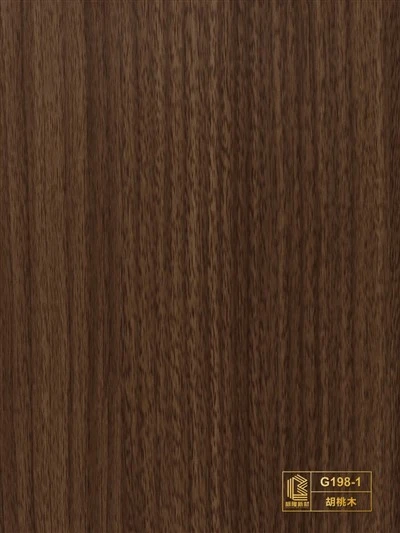
If you have any questions about lengths, finishes, or pricing, just get in touch. We’re here to help you make your project look as good as possible, without the hassle.
PVC Wood Grain Film References
- International Institute of Synthetic Rubber Producers. (2022). PVC Film Application and Performance Standards.
- Woodworking Network. (2023). Trends in Laminating Materials for Residential and Commercial Furniture.
- Society of Plastics Engineers. (2021). Flexible PVC Film Roll Handling and Storage Guidelines.
- Custom Fabricators Association. (2022). Best Practices for Custom-Length Laminating Materials.
Zhejiang Biaolong New Materials Co., Ltd.
Zhejiang Biaolong New Materials Co., Ltd. is one of the most experienced PVC wood grain film manufacturers and suppliers in China, also supports customized service. We warmly welcome you to buy high quality PVC wood grain film in stock here from our factory. If you have any enquiry about cooperation, please feel free to email us.
Address: No.2 Helai Road, Lianhua Mountain Industrial Park, Jiangshan City
E-mail: Yuspvc@gmail.com
WebSite: https://www.biaolongpvc.com/
