If you walk through any warehouse or shipping dock, you’ll see wooden packaging everywhere—pallets crammed with electronics, crates holding fresh produce, boxes stacking up with handmade furniture. As a wooden packaging supplier who’s spent 12 years in this space, I’ve seen way too many brands make the same mistake: picking the first wooden crate or pallet they find because it’s cheap, only to deal with damaged goods, delayed shipments, or even compliance headaches that cost them way more in the long run. The right wooden packaging isn’t just a box to hold your product—it’s a safeguard, a cost-saver, and a part of your supply chain’s reputation. Let’s break down how to pick the right one, based on what I’ve learned working with 50+ industries over the last decade. Wooden Packaging
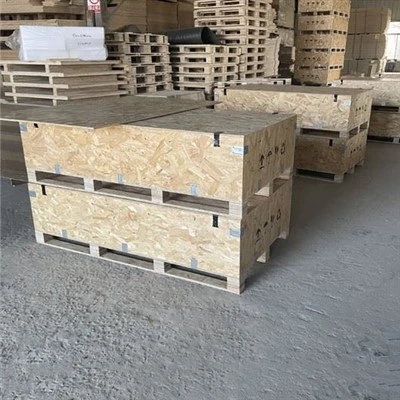
First, you need to start with your product’s specific needs, not a one-size-f-all approach. I once had a small manufacturer of ceramic tableware come to me panicking because their current wooden crates were cracking mid-transit, leaving 15% of their inventory broken. They’d ordered standard pine crates, but pine is soft—great for indoor furniture displays, but not for heavy, fragile items. For their delicate ceramics, we switched to a denser hardwood, poplar, with thicker side panels and edge reinforcements that distributed weight evenly. Within two shipments, their breakage rate dropped to under 2%. That’s the kind of detail you can’t skip.
Ask yourself three initial questions: How heavy is your product? Is it fragile or corrosive? And how long will it be in transit—local, cross-country, or international? A 50-pound electronic component needs different packaging than a 500-pound industrial machine, and both need something different than a batch of perishable fruit. For heavy industrial goods, you need lumber with a high load-bearing capacity—hardwoods like oak or maple, which can support 2,500 pounds per square foot, versus softwoods like pine or cedar which top out at around 1,500. For fragile items like glass or medical devices, you need to balance density with cushioning; sometimes that means a thin plywood liner inside a solid hardwood crate, so the product doesn’t shift. For corrosive products like batteries, you need wood that’s been treated to resist moisture and chemical leaks—untreated softwood will warp when exposed to battery acid, ruining both the packaging and the product.
Next, don’t sleep on wood treatment and compliance, especially if you’re shipping internationally. This is a mistake that can shut down a shipment at customs overnight. The International Plant Protection Convention (IPPC) has strict rules for wood packaging that crosses borders—any solid wood used in crates, pallets, or dunnage must be heat-treated (HT) to kill pests like bark beetles, which can spread to local forests. If you use untreated wood for an international shipment, customs will either reject it, charge you a fumigation fee that can triple your costs, or even make you dispose of the packaging at the destination. I once worked with a food exporter to Southeast Asia who skipped treatment on their pallets, and they ended up paying $1,200 in fumigation charges and a 10-day delay, all because they tried to save $50 on untreated wood. That’s a lesson no one wants to learn the hard way.
There are also different treatment options for domestic shipments, depending on your product. If you’re shipping perishable produce, like apples or carrots, you need wood that’s been kiln-dried to reduce moisture content—untreated damp wood can cause mold or mildew, which spoils the fruit before it reaches shelves. For items that need to resist extreme temperatures, like frozen seafood, kiln-dried wood won’t shrink or swell as temperatures drop, keeping the packaging sealed tight. For general domestic shipments, heat-treated wood is usually sufficient, but always confirm with your carrier—some have their own rules about wood moisture content to avoid pallet failure during loading and unloading.
Then, consider sustainability and long-term value, not just upfront cost. A lot of brands think cheap wooden packaging is the best deal, but that’s rarely true. Let’s do the math: a cheap untreated pine pallet might cost $10, but it can only be used once or twice before it breaks. A slightly more expensive heat-treated hardwood pallet costs $18, but it’s rated for 10+ uses, has a 5-year lifespan, and can be repaired if a plank cracks. For a manufacturer that ships 1,000 pallets a month, that adds up fast—one of our clients switched from pine to hardwood pallets two years ago, and now they save $12,000 a year in replacement and repair costs.
Also, sustainable wood sourcing matters more than ever for customers. If your brand markets itself as eco-friendly, using FSC-certified wood can help you stand out. FSC certification means the wood comes from responsibly managed forests, no illegal logging or old-growth forest harvesting. We source most of our wood from FSC-certified mills in the Pacific Northwest, and clients tell us that showing that certification on their packaging or on their website has helped them win over green-focused retailers. It’s a small detail, but it’s become a big selling point for many brands in the last five years.
Customization is another big factor that a lot of buyers overlook. Standard off-the-shelf packaging works for some things, but most products need a tailored fit. For a startup making custom jewelry, a standard wooden box might leave the pieces sliding around, leading to scratches. We worked with that jewelry brand to design a custom fit with a soft velvet insert cut specifically for each necklace and pair of earrings, so the packaging not only protected the product but also felt like a premium experience for customers unboxing it. For large items like outdoor grills, custom crates with built-in handles make loading and unloading easier for warehouse teams, reducing the risk of injury and product damage.
Don’t forget about the end of the packaging’s lifecycle, too. Some brands want packaging that’s easy to recycle or repurpose. Softwood pallets are widely accepted in pallet recycling programs, and many third-party services will pick up used pallets for free, giving you a way to offset shipping costs. Hardwood crates can be disassembled and turned into furniture or storage bins by customers, which adds a brand touchpoint that lasts long after the product is used up. One of our clients makes wooden furniture, and their custom crates are designed to be repurposed as planter boxes for their customers—something that’s become a beloved part of their brand story.
I also recommend testing before you commit to a large order. A lot of brands will place a bulk order without testing the packaging, only to find it doesn’t work for their product. We always send free sample packages to clients so they can do their own drop tests (simulating what happens during transit), test for moisture resistance, and check the fit. Last year, a medical device company was about to order 500 crates for shipping insulin pens, and after testing our samples, they realized the standard plywood liner they wanted was too thin to block light—critical for insulin, which degrades in UV light. We swapped in a thicker UV-resistant liner, and that small test saved them from a potential batch of spoiled product.
So, let’s recap the key steps: Start with your product’s weight, fragility, and transit route to pick the right wood density and thickness. Follow IPPC or domestic treatment rules if shipping internationally or with perishables. Compare upfront cost to long-term value, and consider sustainability certifications to match your brand. Customize the fit for your product, and always test before scaling.

At the end of the day, wooden packaging isn’t just a commodity—it’s an investment in your supply chain and your brand. If you’re not sure where to start, we’re here to help. We can assess your product, share sample options, and customize a solution that fits your needs and budget. Reach out to our team to discuss your packaging requirements, and we’ll walk you through every step to make sure you pick the right wooden packaging for your products.
Wooden Packaging References:
- International Plant Protection Convention. (2021). ISPM 15: Guidelines for Regulating Wood Packaging in International Trade. Food and Agriculture Organization of the United Nations.
- American Wood Council. (2022). Load Capacity and Performance Standards for Structural Wood Packaging.
- Forest Stewardship Council. (2023). FSC Chain of Custody Certification Requirements for Wood Products.
- National Wooden Pallet and Container Association. (2021). Domestic Wood Packaging Standards for Retail and Industrial Shipping.
Nanjing Ruihe Packaging Technology Co., Ltd.
As one of the most experienced wooden packaging manufacturers and suppliers in China, we offer a wide range of products with superior quality. Please feel free to wholesale premium wooden packaging made in China here from our factory. Welcome to contact us for more details.
Address: No.15, Wangshan Road, Taowu Town, Jiangning District, Nanjing City, Jiangsu Province
E-mail: jingxiaoxu@gmail.com
WebSite: https://www.ruihepackaging.com/
