Hey everyone, if you’ve ever worked on building something—whether it’s a bookshelf that actually doesn’t fall apart, a backyard deck that survives the rain, or even that tiny robot project your kid dragged you into last weekend—you know fasteners are the unsung heroes of it all. I’m the owner of a small fastener supply company, and let me tell you, 9 out of 10 people I talk to ask the same question: “Wait, what are these things even made of?” It’s not just random metal (though metal is the main game here, obviously) — the material a fastener is made of makes such a huge difference in how long it lasts, what it can hold, and where you can actually use it. No one wants a screw that snaps mid-install, or a bolt that rusts away after one winter. Let’s break this down like I’m chatting over a coffee, no fancy jargon promise. Fastener
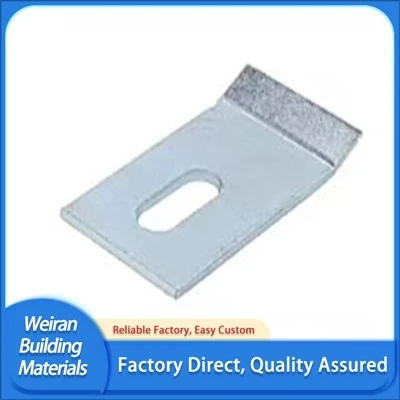
First up, the OG of fastener materials: carbon steel. This is the workhorse, the one you grab by the bucket for everything from generic wood screws to structural bolts for buildings. It’s basically iron with a little bit of carbon added (less than 2%, for the science nerds) to make it way stronger than pure iron. But here’s the thing—plain carbon steel is a rust magnet. Leave it exposed to moisture and it’ll turn into a crumbly mess faster than your gym membership dies in February. That’s why most carbon steel fasteners get a coating, right? The one you’ve definitely seen is zinc plating—sometimes called electro-galvanizing. That shiny silver stuff? It’s zinc that bonds to the steel, creating a barrier so water can’t reach the base metal. We sell tons of zinc-plated carbon steel screws for deck frames and interior wood projects—they’re cheap, easy to find, and perfect for spots that aren’t constantly getting splashed. But if you need something a little tougher, there’s hot-dip galvanizing. That’s when you dunk the whole fastener into molten zinc, so the coating is way thicker—like, three times thicker than electro-galvanized. I’ve heard guys call these “sunproof bolts” because they hold up way better outdoors, even in places with super humid climates. Then there’s black oxide coating, which is that dark, matte black finish you see on things like machine screws for electronics. It doesn’t protect against rust as well as zinc, but it’s smoother, doesn’t gunk up tools as much, and looks way nicer when you don’t want a shiny spot ruining a finished product.
Next, we’ve got stainless steel, and let’s be real—this is the fancy cousin of steel that everyone obsesses over. If carbon steel is the beat-up work truck you use for hauling lumber, stainless steel is the sleek, reliable SUV that never lets you down. The magic here is chromium—stainless steel has at least 10.5% chromium, which reacts with oxygen in the air to form a super thin, invisible layer called chromium oxide. That layer seals the metal so water and oxygen can’t get in, which means no rust. Easy peasy, right? But not all stainless steel is the same—there are different grades, and mixing up the wrong one is a recipe for disaster. The most common one we stock is 304 stainless steel. That’s the all-purpose grade you use for kitchen fixtures, outdoor furniture, boat parts, even hardware for marine projects (it can handle saltwater way better than plain steel). I had a customer last month who built a custom outdoor kitchen, and he swore by 304 stainless screws for the BBQ island—said he dropped a bucket of ice water on them once, and not a spot of rust after two months. Then there’s 316 stainless steel, which is the heavy hitter. It has molybdenum added to it, which makes it even more corrosion-resistant—perfect for coastal areas where the air is salt-laden, or for industrial projects that deal with chemicals. We don’t stock as much 316 because it’s pricier, but guys in the construction and boat industry will beg for it when they know their project needs to stand up to tough conditions. One little pro tip though: stainless steel is softer than carbon steel, so if you’re using it to hold something super heavy, like a structural beam, you might need to size up, or pair it with the right washer to keep it from stripping. I’ve seen a guy try to use 304 screws to hold up a 200lb sign, and they stripped right out of the wood—oops.
Now, for the stuff that’s not metal—wait, fasteners aren’t all metal? Yep, that’s another thing most people don’t realize. We sell a ton of plastic fasteners, and they’re way more useful than you’d think. The main plastic we use is nylon. Nylon fasteners are lightweight, non-conductive, cheap, and they don’t rust or corrode at all. They’re perfect for things like wiring harnesses in cars, plastic vent covers, or holding parts together where metal would be too heavy, or where electricity is a concern (like inside electronics, or around power lines). But nylon has its limits—it can melt if it gets too hot, right? Leave a nylon fastener near a space heater, and it’ll turn into a squishy mess before you know it. For that reason, we also stock other plastics like polypropylene, which can handle higher temperatures, or PEEK (that’s a high-performance plastic) for super tough applications, like aerospace parts. I had a client who makes medical devices, and they use tiny PEEK screws because they’re non-toxic and don’t interfere with medical imaging—no metal fragments showing up on X-rays, which is a big deal.
Then there are the exotic materials—stuff you don’t see every day, but is crucial for specific jobs. Bronze is one of my personal favorites. It’s an alloy of copper and tin, so it’s way more corrosion-resistant than steel, but it’s also softer, so it doesn’t scratch up wood or finishes like metal sometimes does. We sell bronze screws a lot for fine woodworking, like attaching handles to custom cabinets, or for historic restoration projects where you need a fastener that looks good and won’t ruin the wood over time. I worked on a old Victorian house restoration last year, and the contractor insisted on solid bronze screws for the window frames—said they matched the original hardware perfectly and wouldn’t rust and leave stains on the wood. Copper is similar, but it’s even softer, and it develops that cool patina over time, which is why people use it for decorative outdoor projects, like gutters or garden art. And let’s not forget about titanium—this is the lightest of the tough guys. It’s stronger than steel, way lighter, and super corrosion-resistant, but it’s expensive. We only stock titanium fasteners for things like racing bikes, aircraft parts, or high-end sports equipment—guys will pay premium for the weight savings and durability. I once had a cyclist come in, looking for titanium bolts for his road bike, because every gram counts when you’re climbing hills for hours. He left with a handful and a very happy grin.
Wait, let’s circle back to something important: how do you pick the right material? It’s not just about grabbing the shiniest or cheapest one. Here’s what I tell everyone who asks: first, where is this fastener going to live? If it’s indoor, not near water, carbon steel with zinc plating is probably fine—it’s cheap and works like a charm. If it’s outside, in a humid area or near salt water, go stainless steel (304 for most, 316 if you’re coastal or dealing with chemicals). If it’s for something that needs to be light or non-conductive, plastic or titanium is your call. If it’s for a fancy project where looks matter, bronze or copper will give you that timeless look. Also, how much weight is it holding? Don’t use a soft material for heavy loads—like I said earlier, stainless is softer than carbon, so if you need maximum strength, carbon steel (with the right coating) is better for structural stuff.
I’ve been in this fastener game for 12 years now, and one thing I’ve learned is that the best fastener isn’t the most expensive one—it’s the right one for the job. Too many people grab whatever’s in the closest bin, only to end up with a broken deck in a year or a rusted screw that stains their new countertop. That’s why we don’t just sell fasteners—we help people figure out which one they actually need. Last week, a dad came in, panicking, because he bought carbon steel screws for his new backyard fence and they started rusting after two weeks of rain. We swapped them for hot-dip galvanized ones at no extra cost, and he left super happy. That’s the stuff that keeps me going.
If you’re working on a project right now—big or small, residential or commercial—and you’re not sure what material fasteners you need, don’t guess. Hit us up to chat. We’ve got all the grades, all the coatings, and we’ve worked on everything from tiny dollhouse screws to large-scale bridge projects. No matter how weird or specific your project is, we can help you pick the right fastener so it lasts, it works, and you don’t have to deal with headaches later. Let’s make sure whatever you build stays together, looks good, and doesn’t turn into a rusty mess after one season.
Angle Bracket References
- Fastener Materials and Their Applications. Industrial Fasteners Institute, 2022.
- Corrosion Resistance of Stainless Steel Alloys. Nickel Institute, 2021.
- Polymer Fasteners: Properties and Use Cases. Society of Plastics Engineers, 2020.
- Exotic Fastener Materials for High-Performance Applications. Fastener Technology International, 2023.
Shandong Weiran Building Materials Co., Ltd.
Shandong Weiran Building Materials Co., Ltd. is one of the most experienced fastener manufacturers and suppliers in China, also supports customized service with low price. Welcome to buy bulk high quality fastener in stock here from our factory. Contact us for quotation.
Address: No.1, Street-front Shop, Jia 19, No.137 East Xingyuan Road, Zhangdian District, Zibo City, Shandong Province, China
E-mail: qinjuan@sdwrjc.com
WebSite: https://www.sdwrjc.com/
